The 60-30-10 rule divides a room’s color into three shares, about 60 percent in a dominant color, about 30 percent in a secondary one, and about 10 percent in an accent. It is a proportion, not a measurement. Nobody works it out with a tape, and the shares describe how much of what you see from the doorway is each color.
The split tends to work because one color clearly leads, a second supports it, and the third turns up only in small amounts, so no two colors compete for the same share of the room. What the rule leaves unsaid is which things belong to which share. Walls are the obvious 60, but a furnished room also has a floor, a ceiling, wood furniture, and white trim, and those decide whether the split still holds once everything is in.
The 60 Is the Walls and What Matches Them
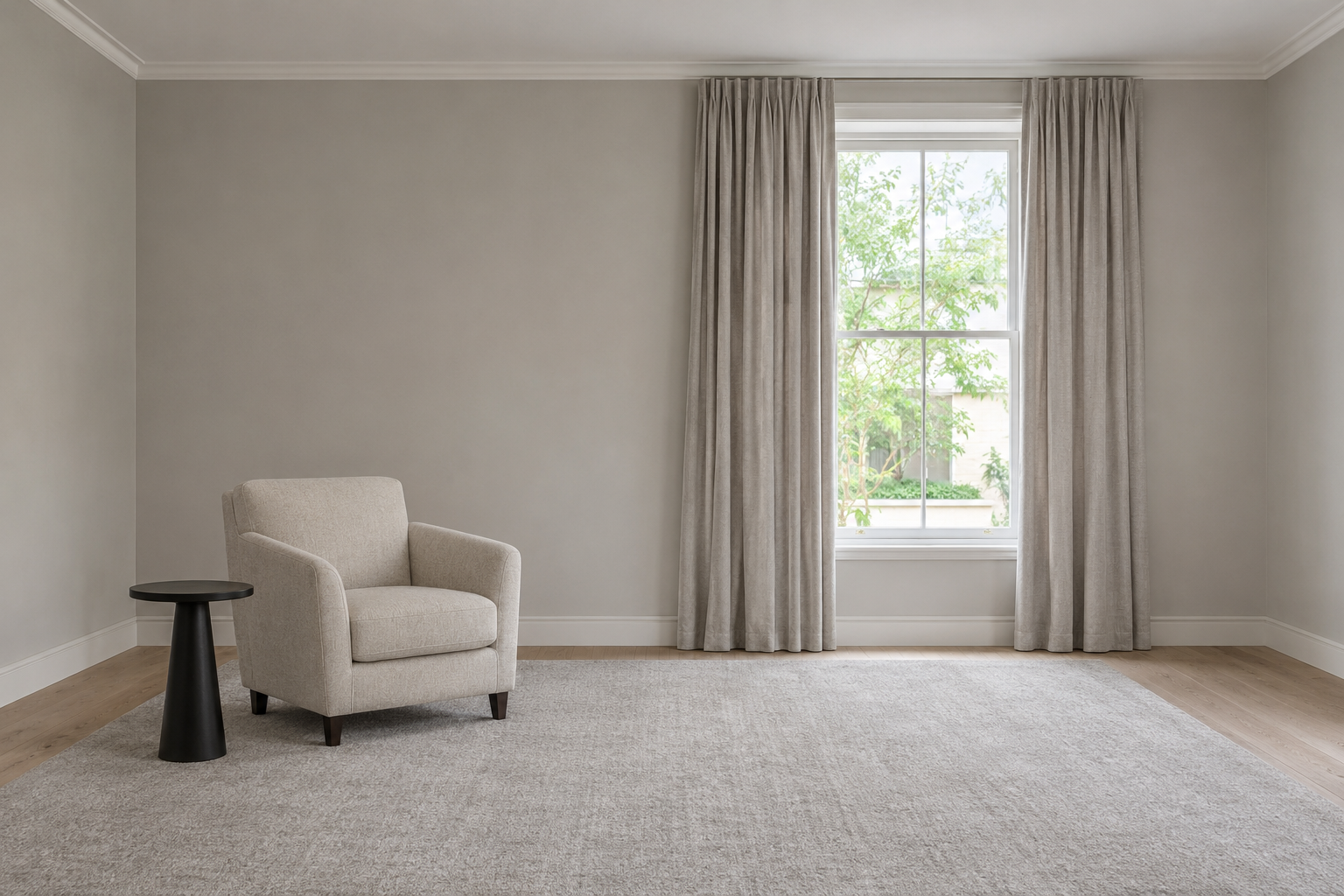
The dominant color covers the largest surfaces, which in most rooms means the walls. Curtains, a large rug, or a sofa in the same color or close to it add to the share, because from across the room they merge with the walls into one field.
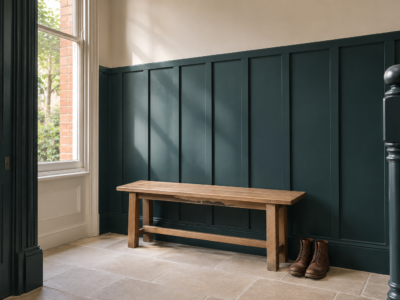
It is usually the quietest of the three, a soft white, a warm gray, a pale green, or a putty, since it is the color seen most and for longest. A strong 60 works too, deep green or navy walls, but then everything else in the room is seen against a dark background, and the 30 and the 10 need enough contrast to show against it.
The 30 Is Furniture and Fabric
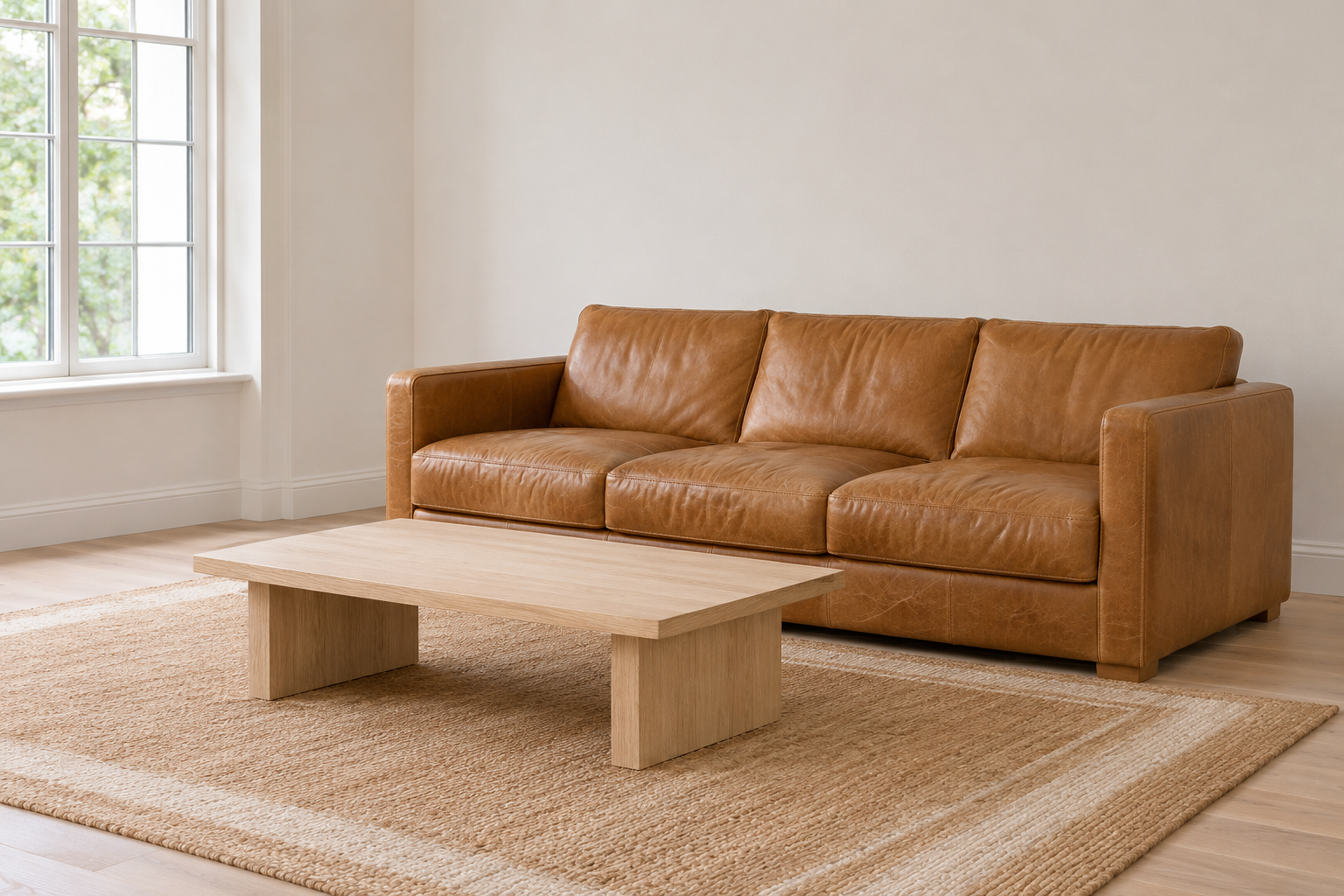
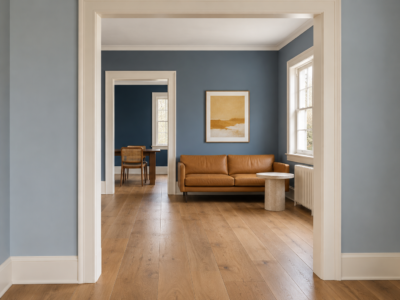
The secondary color goes into the next largest things, such as the sofa and armchairs, curtains that differ from the walls, a large rug, or a painted cabinet or bookcase. It needs to be far enough from the 60 to be seen as its own color, and because it sits at eye level in the middle of the room, it often sets the room’s character more than the walls do.
In a living room the sofa alone can be most of the 30. A rug or curtains in the same color family make up the rest and keep it from sitting in one block in the center of the room.
Spread the 10 Across Three Places
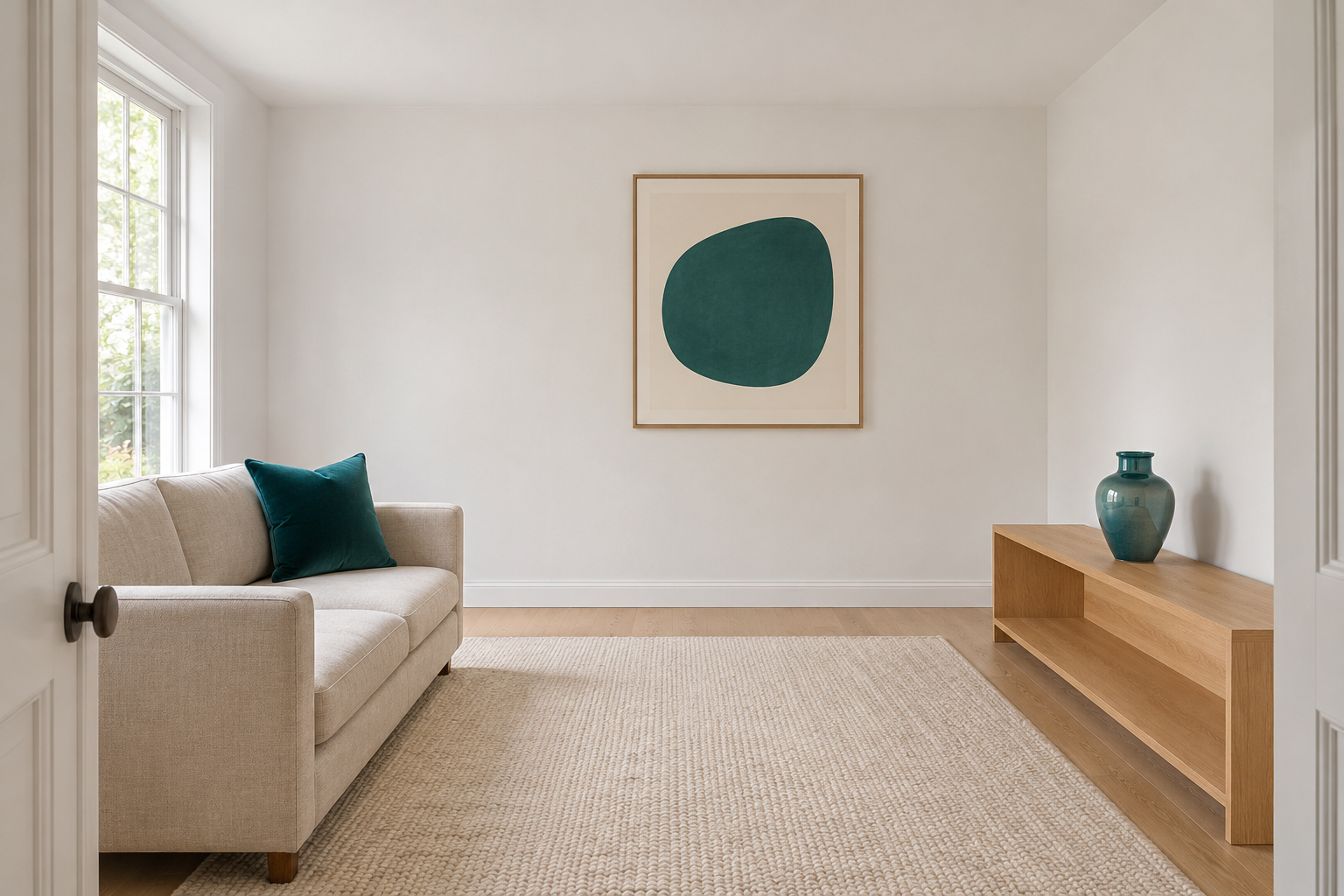
The accent is the smallest share and usually the most saturated, carried by cushions, a throw, a lamp base, a vase, or the color in a print. Ten percent of a room in a single object makes one bright spot, and the eye goes to it and stays there. The same amount split among three or four things takes the eye from one to the next and around the room.
Put them at different heights and on different sides, a cushion on the sofa, a vase on a shelf across the room, a print on the far wall. The accent is also the easiest share to change with the season, since it lives in the smallest pieces.
Wood, White Trim, and Floors
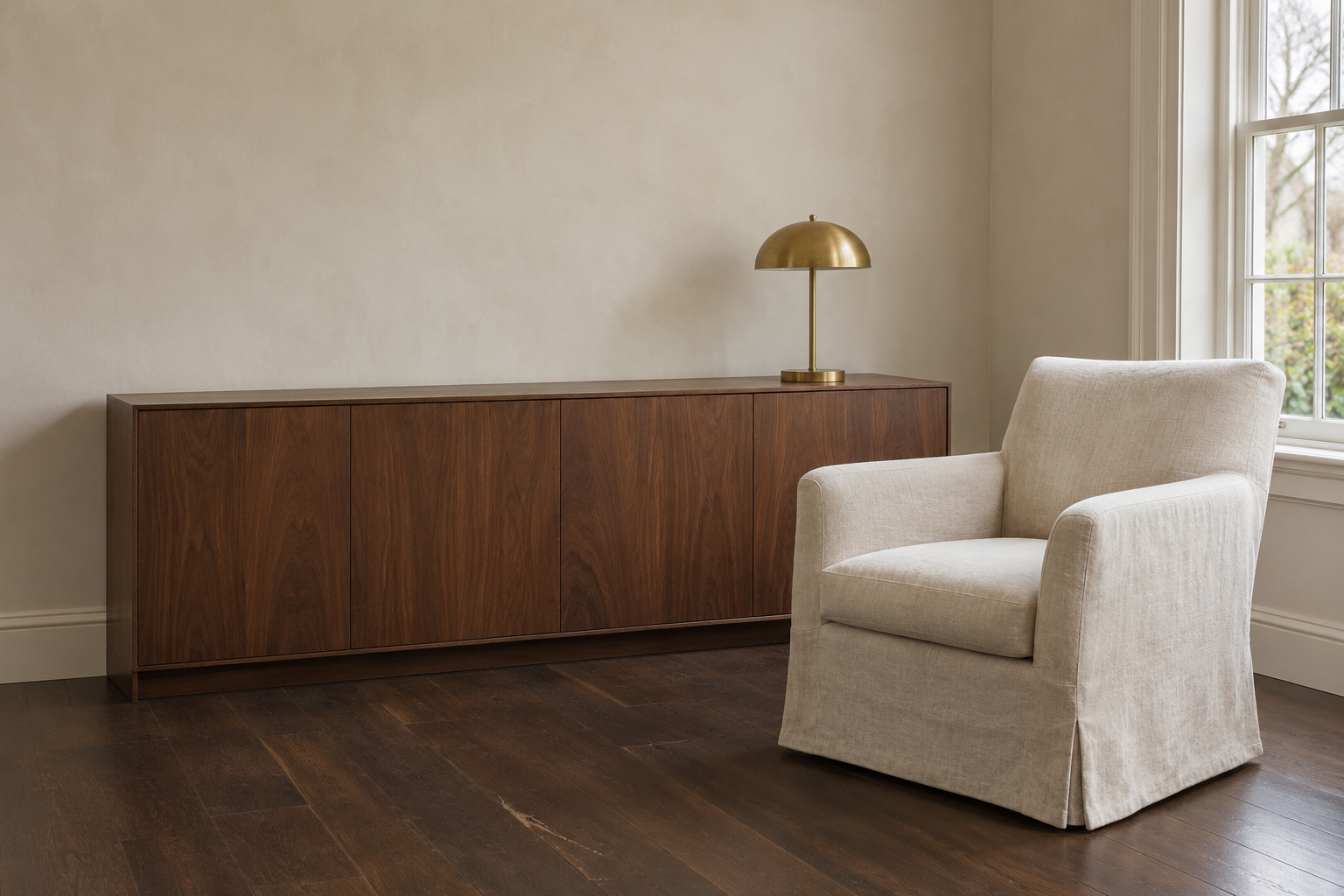
A wood floor, a white ceiling, and painted trim are rarely counted as one of the three colors, but they are large, and they shift how the split looks. A pale oak floor or a white ceiling sits with the 60 when the walls are light. A dark walnut floor or a black slate floor covers enough of the room to act as part of the 30, and the sofa can then be lighter.
Wood furniture works the same way. A room with a walnut cabinet, a walnut table, and a wood floor already has a large share of warm brown before any color is chosen, so the 30 is planned with that brown, as part of it, not on top of it. Mixing wood tones changes the count again, since two woods far apart in color behave like two colors.
Two Rooms Worked Through
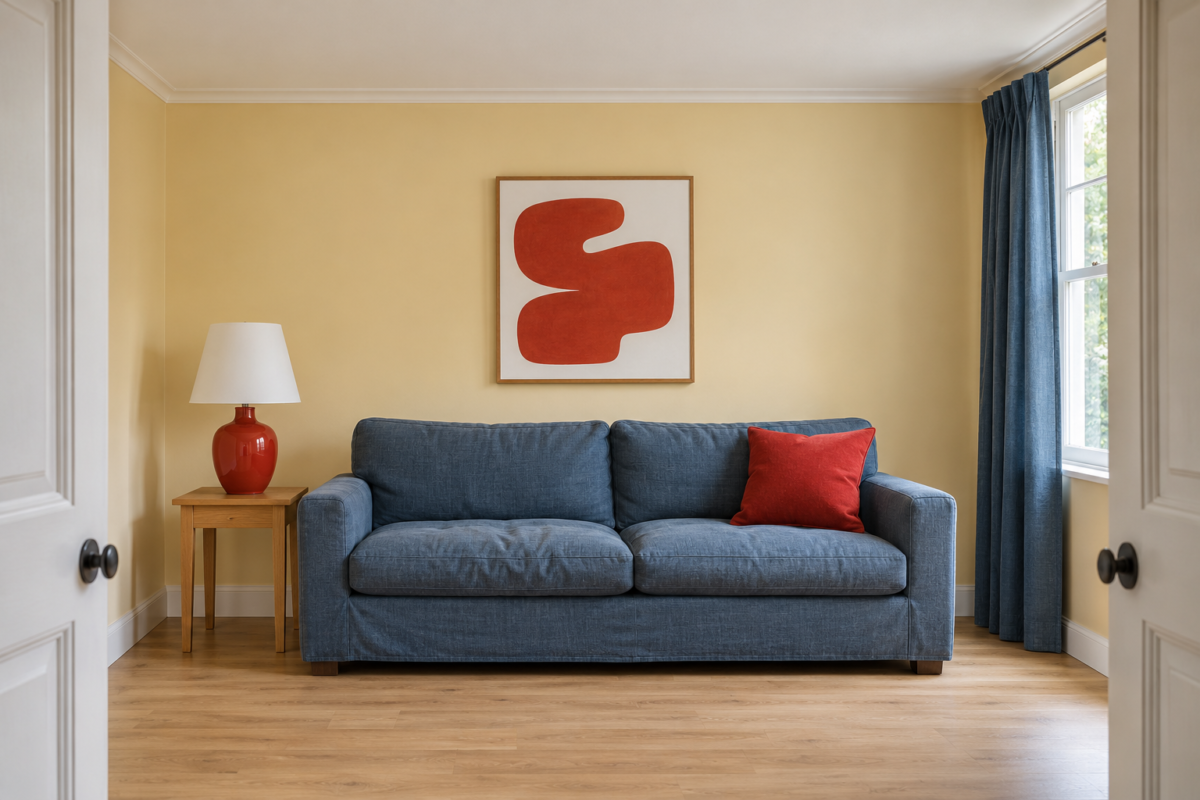
A living room with soft butter yellow walls, a white ceiling, and a pale oak floor has its 60 before the furniture arrives. A denim blue linen sofa and denim curtains at the window make the 30. Tomato red in a cushion, a lamp base, and a print above the sofa makes the 10, in three places.
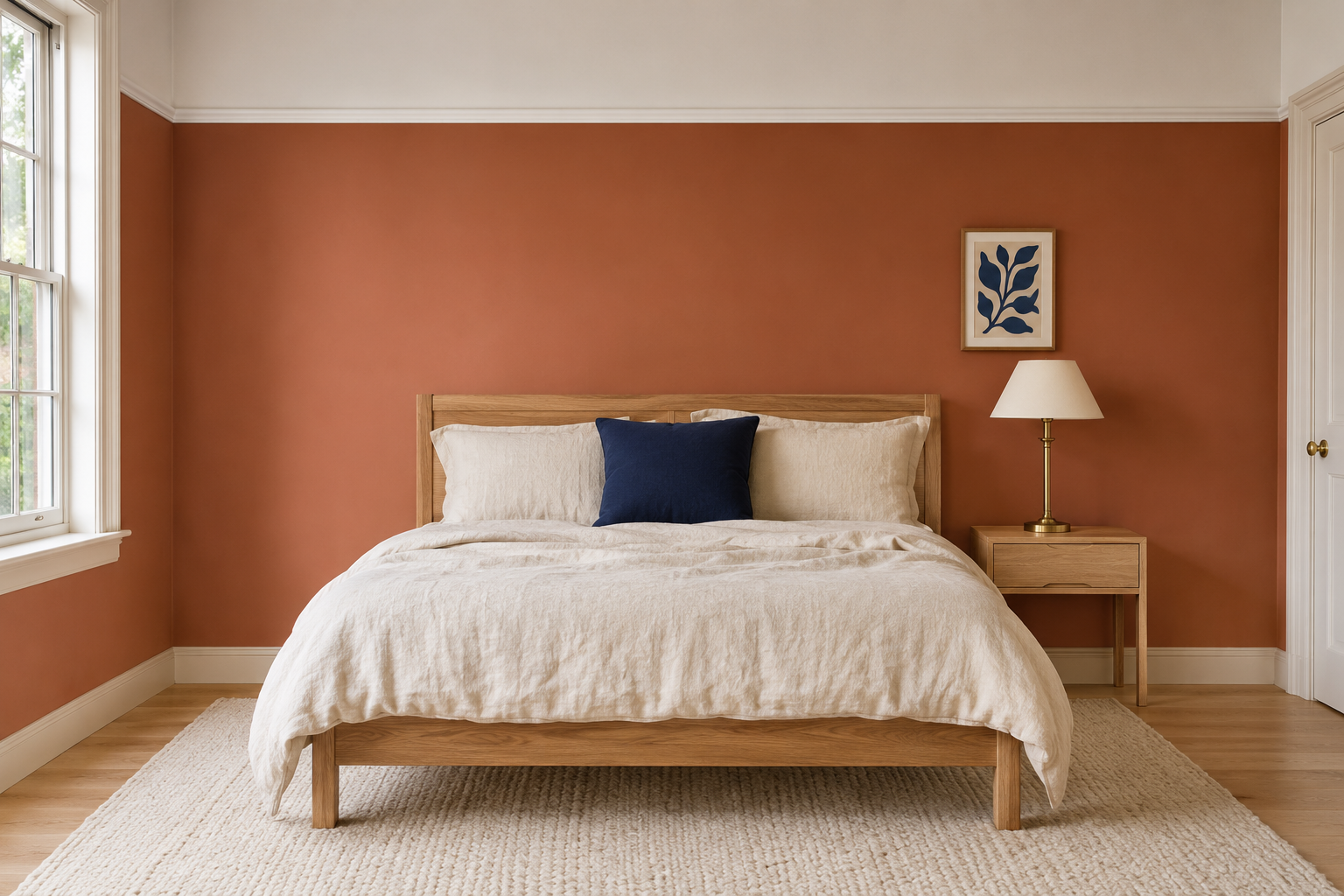
A bedroom painted terracotta takes a dark, warm 60, so its 30 comes from pale things that show against it: cream linen bedding, a cream wool rug, and an oak bed. Navy and brass make the 10, in a cushion, a lamp, and a small print, each one clear against the terracotta.
| Share | Living room | Bedroom |
|---|---|---|
| 60 | Butter yellow walls, white ceiling, pale oak floor | Terracotta walls, white ceiling |
| 30 | Denim sofa, denim curtains | Cream bedding, cream rug, oak bed |
| 10 | Red cushion, red lamp base, red in the print | Navy cushion, brass lamp, navy print |
Where the Split Bends
Some rooms are built on other proportions. A color-drenched room, with walls, trim, ceiling, and sometimes furniture all in one color, puts nearly everything into the 60 on purpose and lets one or two accents do the rest. A small room in one pale color with a single strong piece of furniture is closer to 90 and 10. In an open-plan space the split applies to everything seen together, so the kitchen, dining, and living areas share one 60 even when each has its own 30.
The numbers are a starting point for deciding how much of each color to bring in, not a test a finished room has to pass. When a room looks unsettled, a common cause is two colors competing for the largest share, and the fix is to let one of them lead.