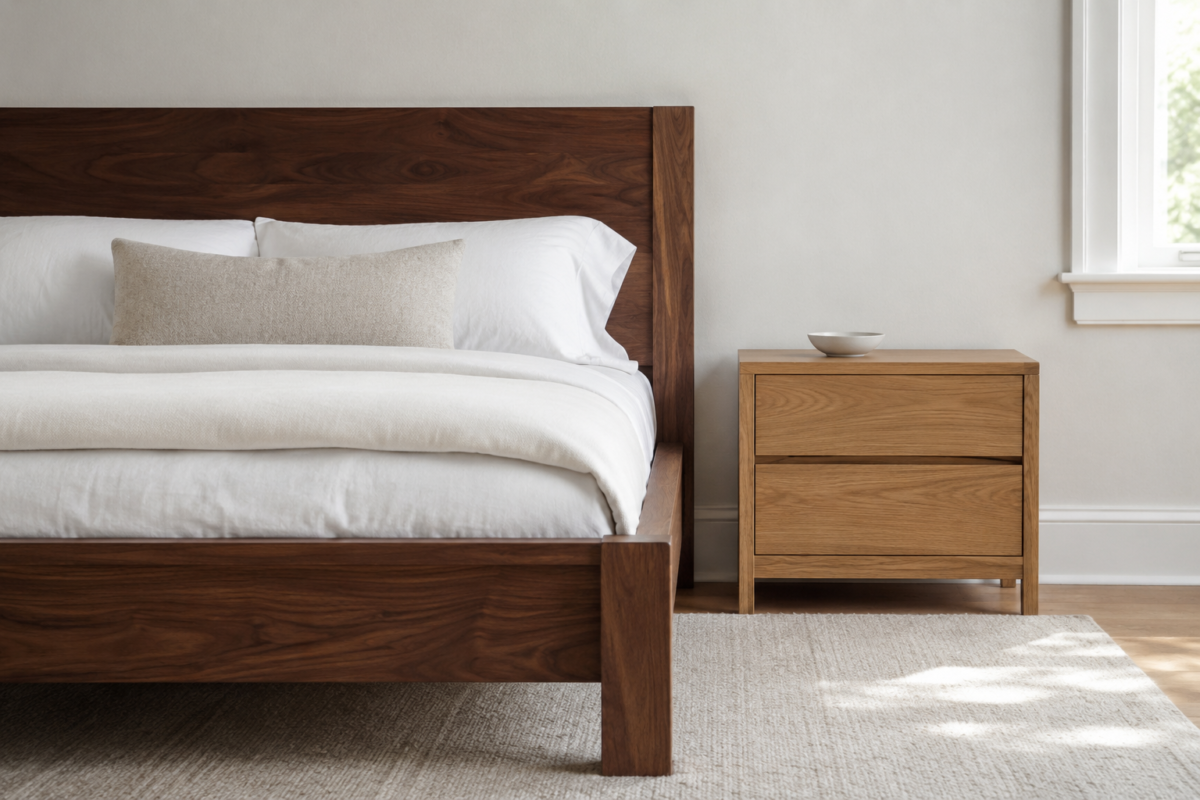
Two wood tones in the same room can look completely intentional, or completely accidental, and the difference usually isn’t the tones themselves. It’s whether one of them is doing the anchoring and the other is supporting it, or whether both are trying to be the main event at once.
Most furniture and flooring already comes in a wood tone nobody consciously chose, so the real skill isn’t picking one correct wood. It’s managing what’s already in the room. A walnut bed frame, an oak floor, and a mid-tone dresser can sit together without a fight, or they can read as three unrelated decisions, depending on a few things worth understanding before buying anything else.
This isn’t a rule that limits a room to two woods forever. It’s a way of thinking through warmth, undertone, and value so that whatever combination ends up in the room looks like it was decided on purpose.
Match Warmth Before You Match Wood
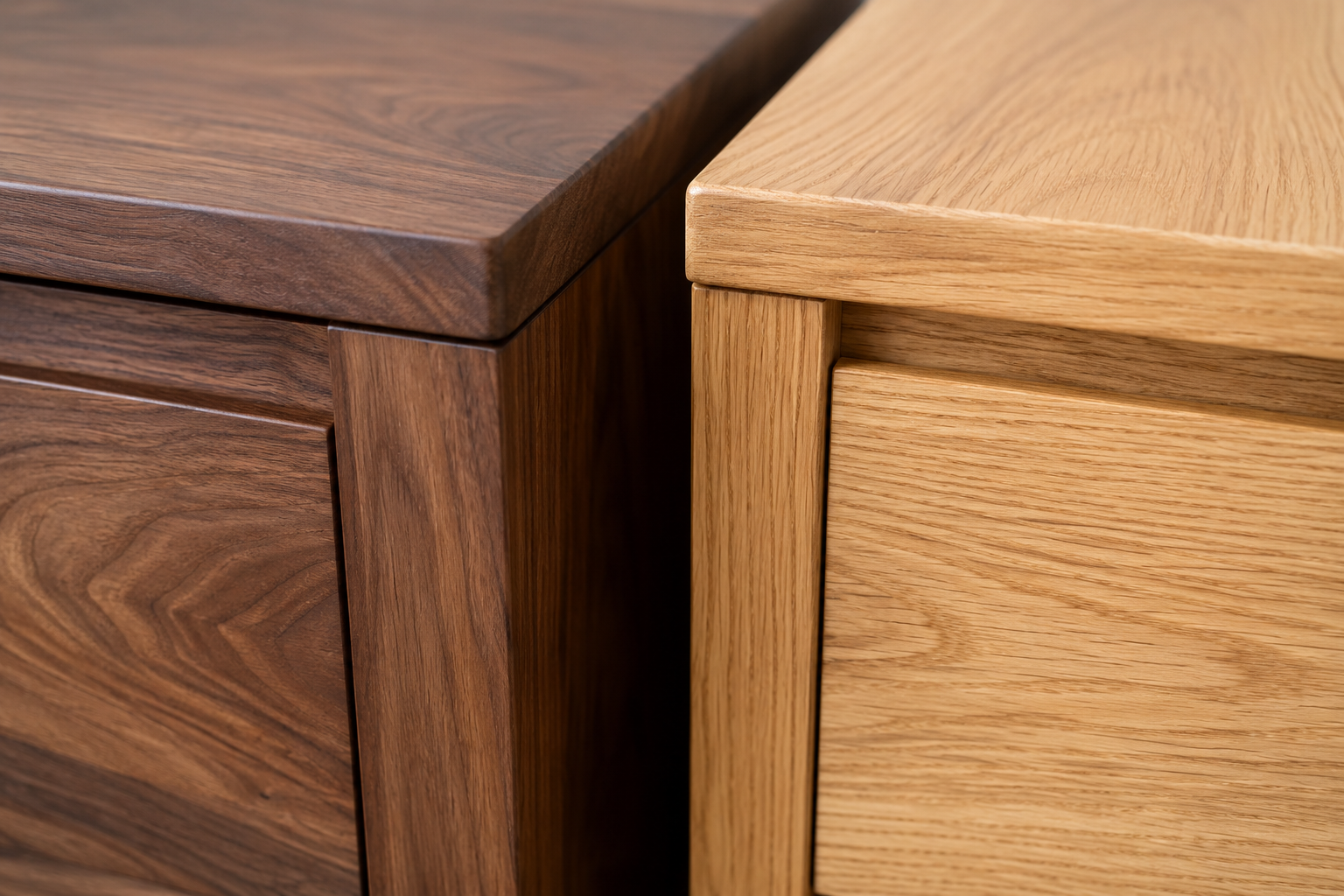
The instinct is to match wood species: walnut with walnut, oak with oak. Species is the wrong thing to match. Two pieces of walnut from different manufacturers can still clash if one runs warm and reddish while the other runs cooler and more muted. What needs to agree is warmth, whether a wood leans toward orange and red or toward gray and ash. A warm walnut and a warm white oak sit together more comfortably than two walnut pieces finished on opposite ends of the warm-cool spectrum. Undertone is the variable that matters, not the species printed on the tag.
Choose One Anchor Tone for the Room
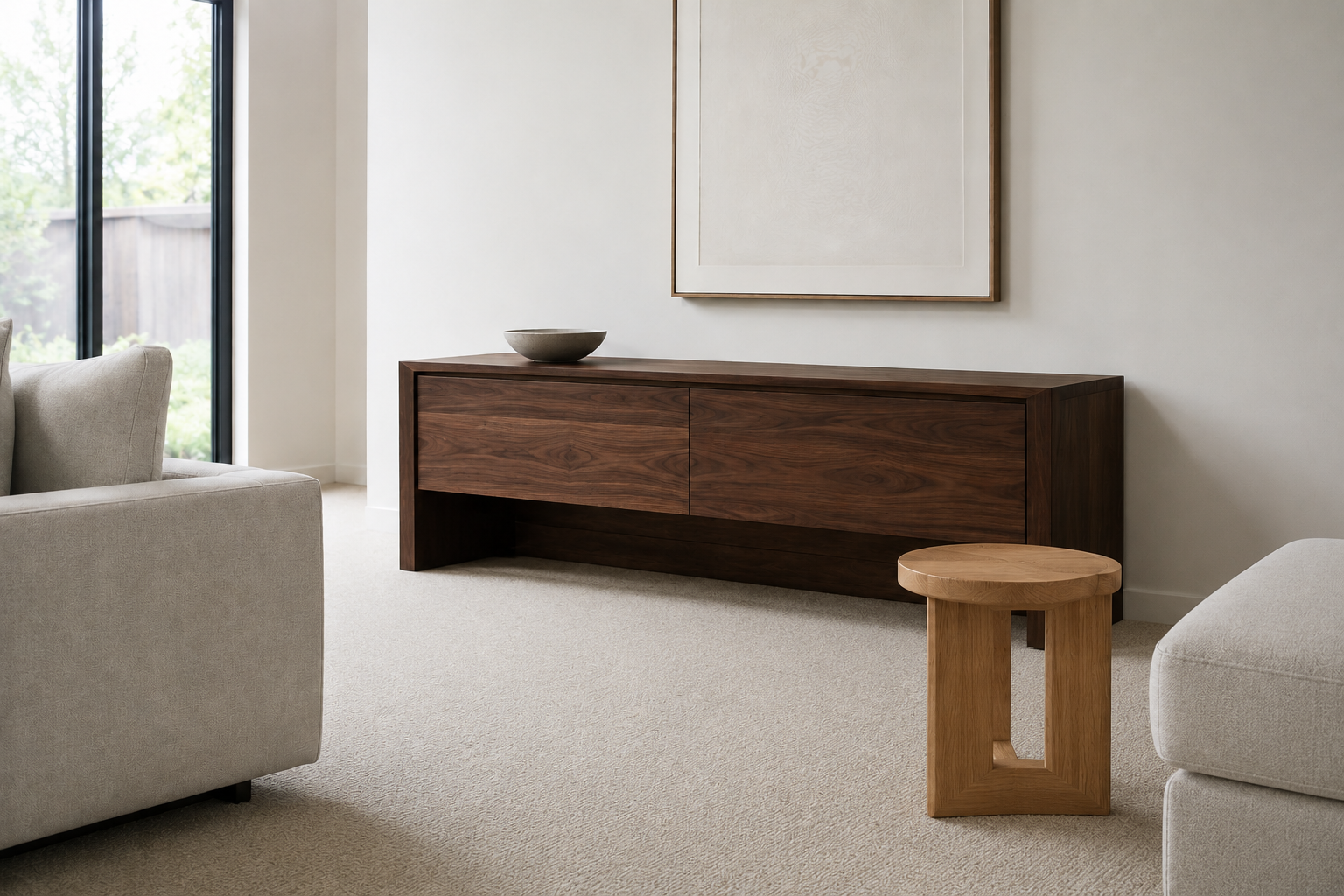
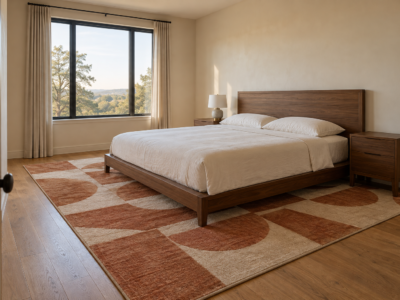
A room with mixed wood works best when one tone does the heavy lifting, usually whichever piece is largest or most visually dominant: a bed frame, a dining table, or the floor itself if it’s original hardwood. Everything else in wood becomes a supporting player, not a second lead. This is less about matching every piece and more about building a hierarchy, so a room with a walnut bed frame and an oak nightstand reads as mostly walnut with an oak accent, rather than two unrelated decisions that ended up in the same room.
Let the Room’s Undertone Decide the Anchor
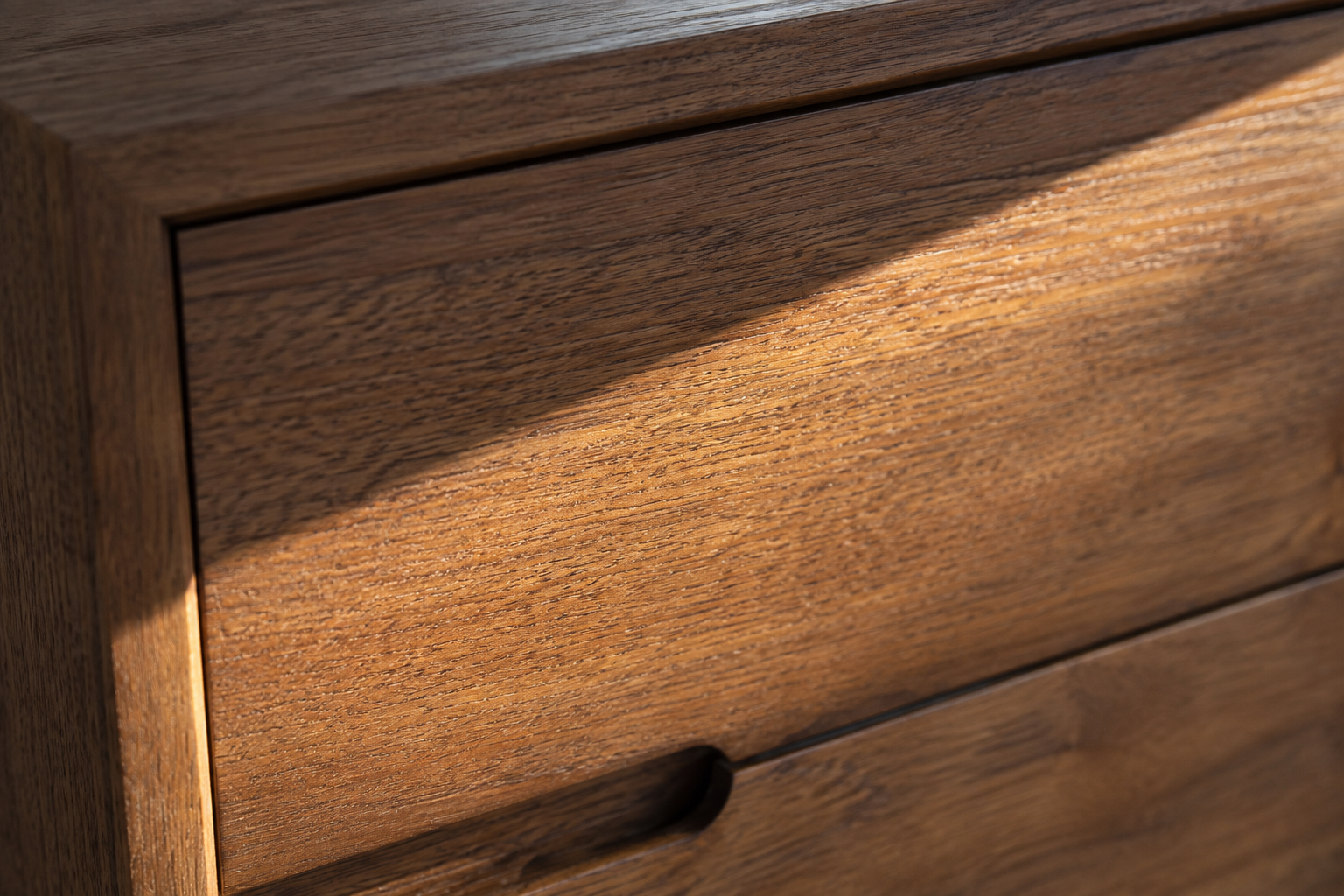
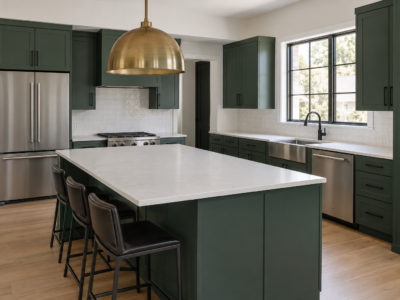
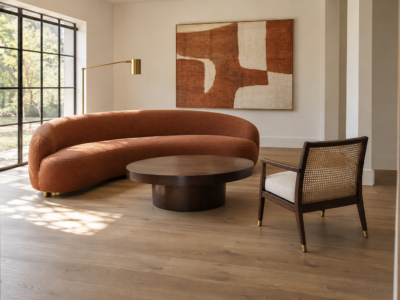
Existing hard finishes usually outrank furniture choices, since they’re the most expensive and the least likely to change soon (hardwood flooring, kitchen cabinetry, stair treads, built-in trim). If a room already has warm oak floors, that’s the anchor whether or not it was ever a deliberate style decision, and new furniture reads best when it respects that warmth instead of fighting it with a cooler tone. Daylight also shifts how a given wood tone reads over the course of a day, so it’s worth checking a sample against the room’s actual light before committing to a second tone, not judging it under a showroom’s fixed lighting alone.
Quick Reference: Wood Pairings That Work
Walnut and white oak, a reliable pairing since both commonly run warm.
Cherry and maple, a riskier pairing since cherry darkens with age and maple often reads cool.
Black walnut and light ash, works if the ash leans warm rather than gray-washed.
An original hardwood floor and new furniture, match the floor’s warmth first, its species second.
Two Tones Read as Intentional, Three Usually Don’t
Two wood tones in one sightline generally reads as a deliberate pairing. Three or more tends to read as unplanned, even when each individual piece is attractive on its own, because the eye starts looking for a pattern that isn’t there. This is more forgiving in an open floor plan, where different tones live in different rooms rather than the same sightline. Within one room, especially a bedroom or living room where furniture sits close together, two tones is the safer number to build around.
Give Competing Tones a Neutral Buffer
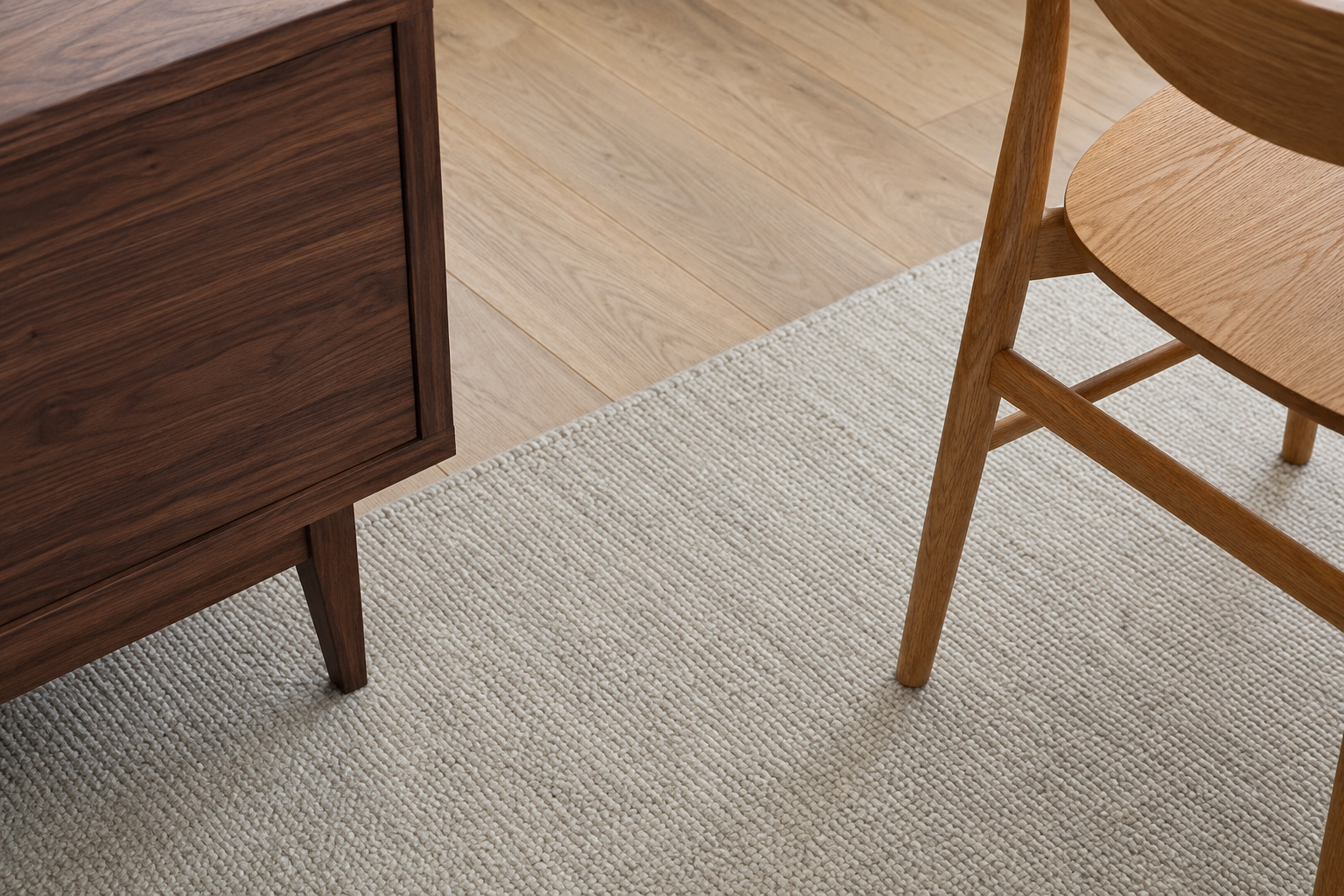
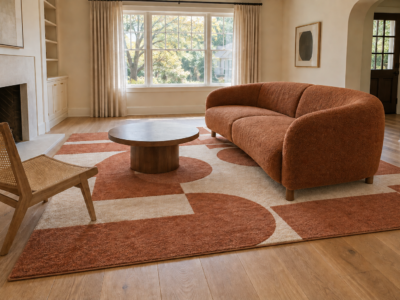
A rug, a runner, or even a painted baseboard between two different wood tones does real work. It gives the eye a resting point instead of asking it to reconcile two different woods sitting directly next to each other. This matters most where furniture pieces in different tones sit close together, a nightstand beside a bed frame, a console beside a dining chair. Wool, jute, and most woven textiles are neutral enough to sit between almost any two wood tones without taking a side.
Why Matching Value Isn’t the Same as Matching Warmth
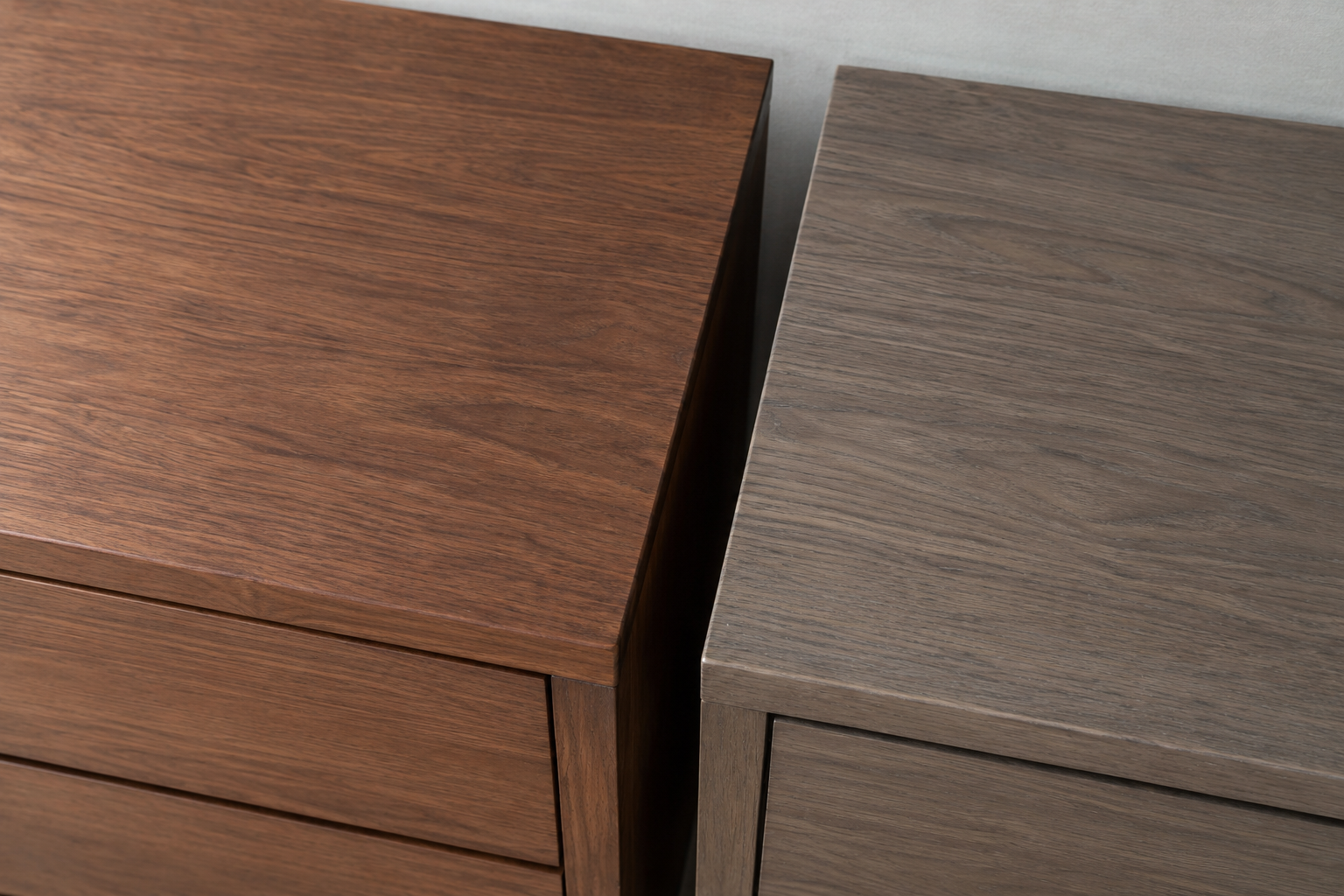
The most common misfire isn’t mixing warm and cool wood. It’s assuming two woods match because they sit at a similar depth of color. A medium-brown walnut and a medium-brown, gray-washed oak can land at nearly identical value and still clash, because one is warm and one is cool, and value alone doesn’t fix that gap. When a pairing feels off despite looking similar on paper, undertone is almost always the mismatch, not the specific shade.
A Quick Test Before You Commit
Before buying a new wood piece, hold a real sample, a drawer front, a leg, a floor sample, next to the room’s existing anchor tone in daylight, not under a phone flashlight or a showroom’s cool overhead lighting. If both read as clearly warm, or both read as clearly cool, the pairing will likely work. If one looks warm and the other looks slightly gray by comparison, that mismatch is worth solving before the piece is sitting in the room rather than after.
Frequently Asked Questions
Do wood floors count as one of the wood tones in the room?
Yes, and usually as the most important one. A hardwood floor is typically the largest, most expensive, and least changeable wood surface in a room, so it functions as the anchor tone whether or not that was ever a deliberate decision. New furniture reads best when it’s chosen to agree with the floor’s warmth, not the other way around.
What if I already own furniture in three or four different tones?
Reducing the number of visible tones matters more than replacing furniture. A rug, a large piece of upholstery, or repainting one competing piece can visually demote it out of the wood tone conversation entirely, which often solves the problem without buying anything new in wood.
Does the same rule apply to wood trim and doors?
Trim and doors count, though they read as background more than furniture does, since most homes paint them white instead of leaving them as visible wood. Where trim is stained rather than painted, treat it the same way as flooring, an existing, hard-to-change element that the room’s furniture should agree with, not compete against.