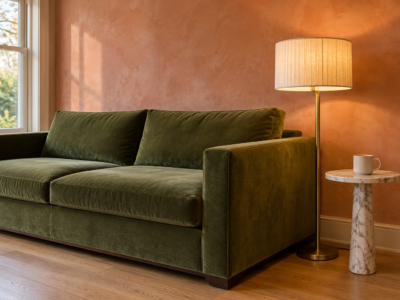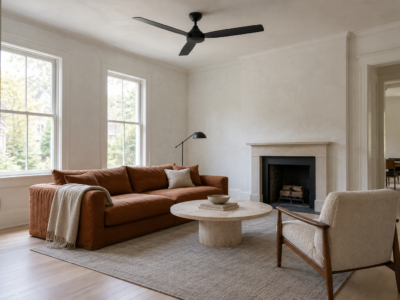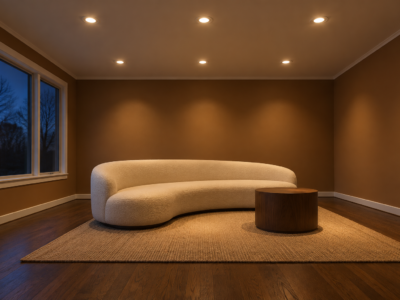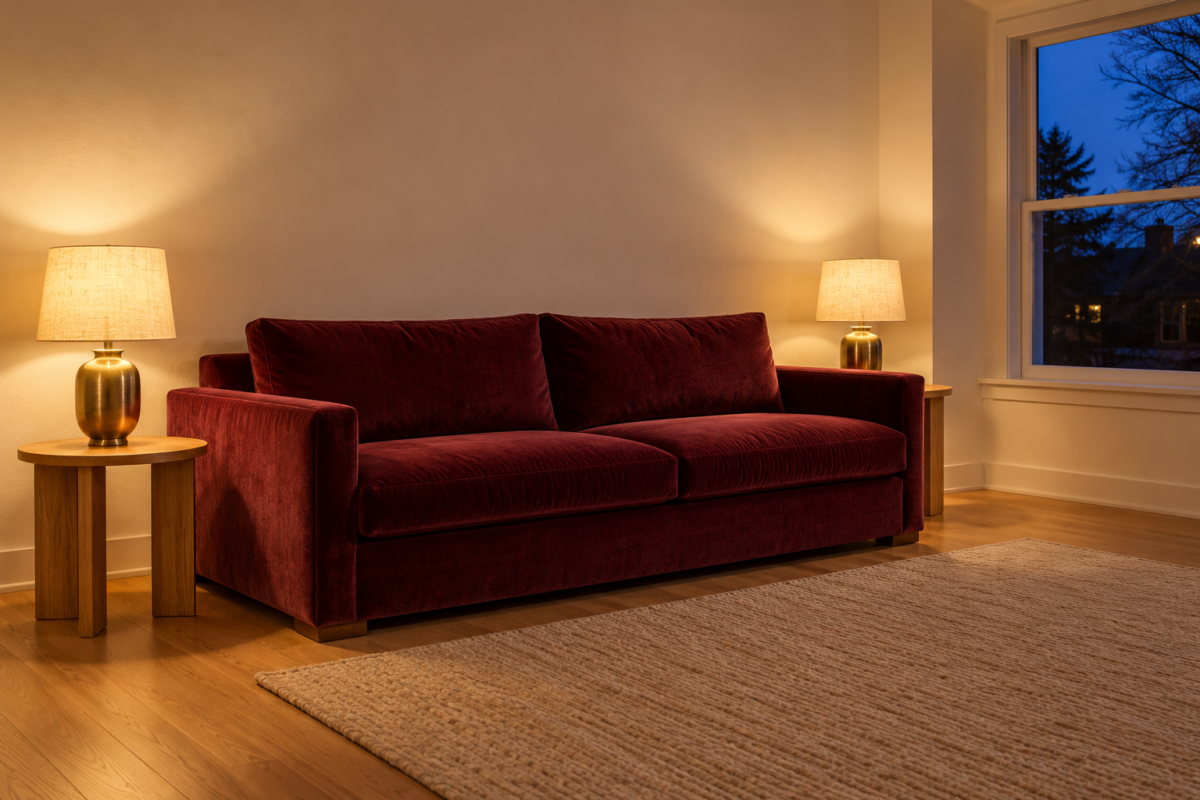
For most of a house the answer is 2700K or 3000K. Use 2700K in living rooms, bedrooms, and dining rooms, where light at night should be warm and low, and 3000K in kitchens and bathrooms, where it stays warm but shows food and skin more clearly. A desk or a workbench can go to 3500K or 4000K, and daylight bulbs at 5000K and above suit a garage more than any room people sit in.
The number is the color of the light, not its brightness, which the box gives separately in lumens. Two bulbs with the same rating from different makers can also look slightly different side by side, so buy the bulbs for one room, or at least one fixture, together and from the same line.
What the Kelvin Number Describes
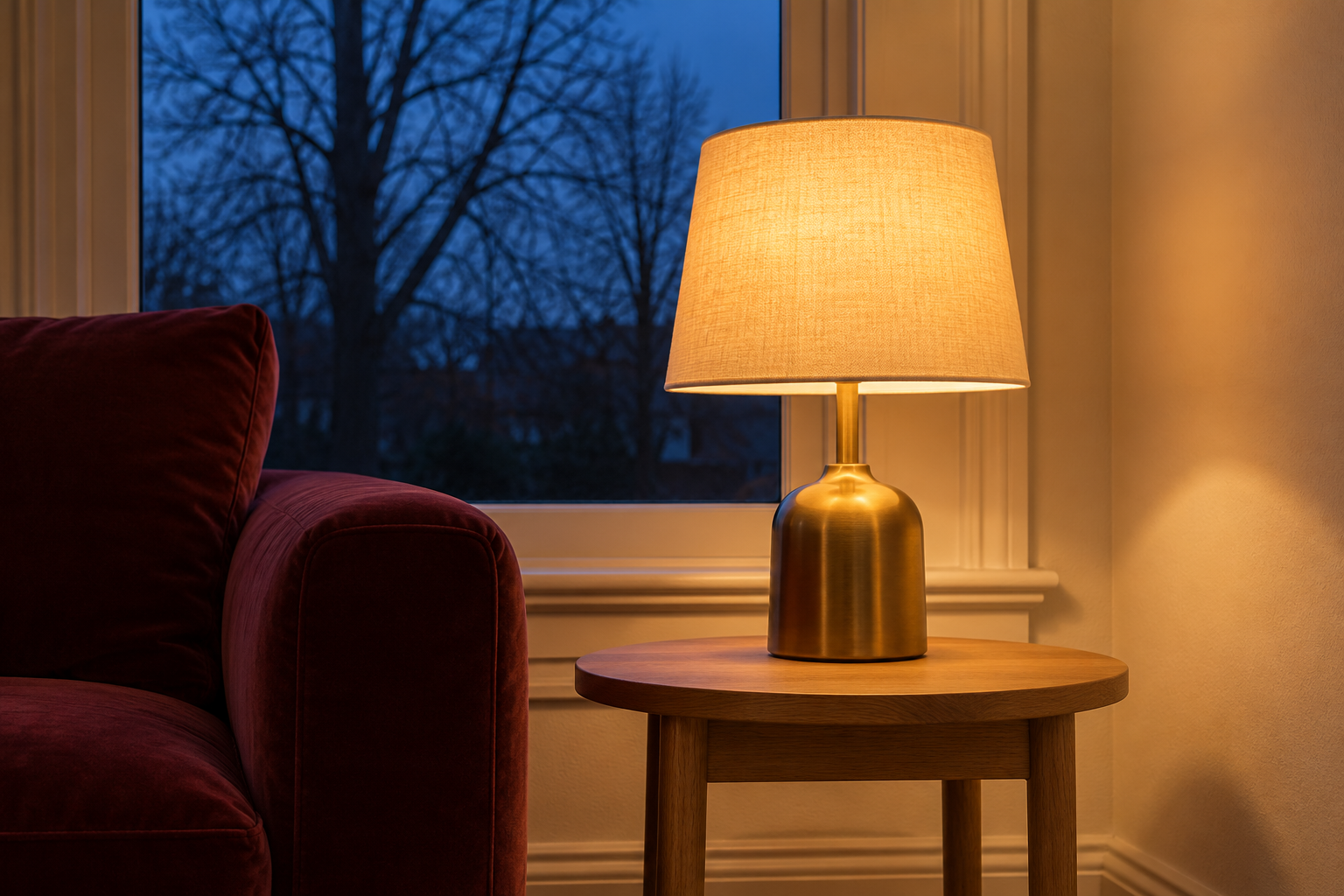
Color temperature runs from amber at the low end to bluish white at the high end. A candle flame is around 1900K and an old incandescent bulb around 2700K, the warmth most people know as home lighting. 3000K looks a shade whiter, 3500K to 4000K neutral, and 5000K and above carries the blue cast of midday daylight or an office.
Beside it, many boxes print the CRI, the color rendering index, a score out of 100 for how faithfully the light shows colors compared with daylight. A bulb of 90 or more shows paint, wood, and skin closer to how they look by day, which matters most where color gets judged, at a bathroom mirror, a kitchen counter, or a closet.
Living Rooms, Bedrooms, and Dining Rooms
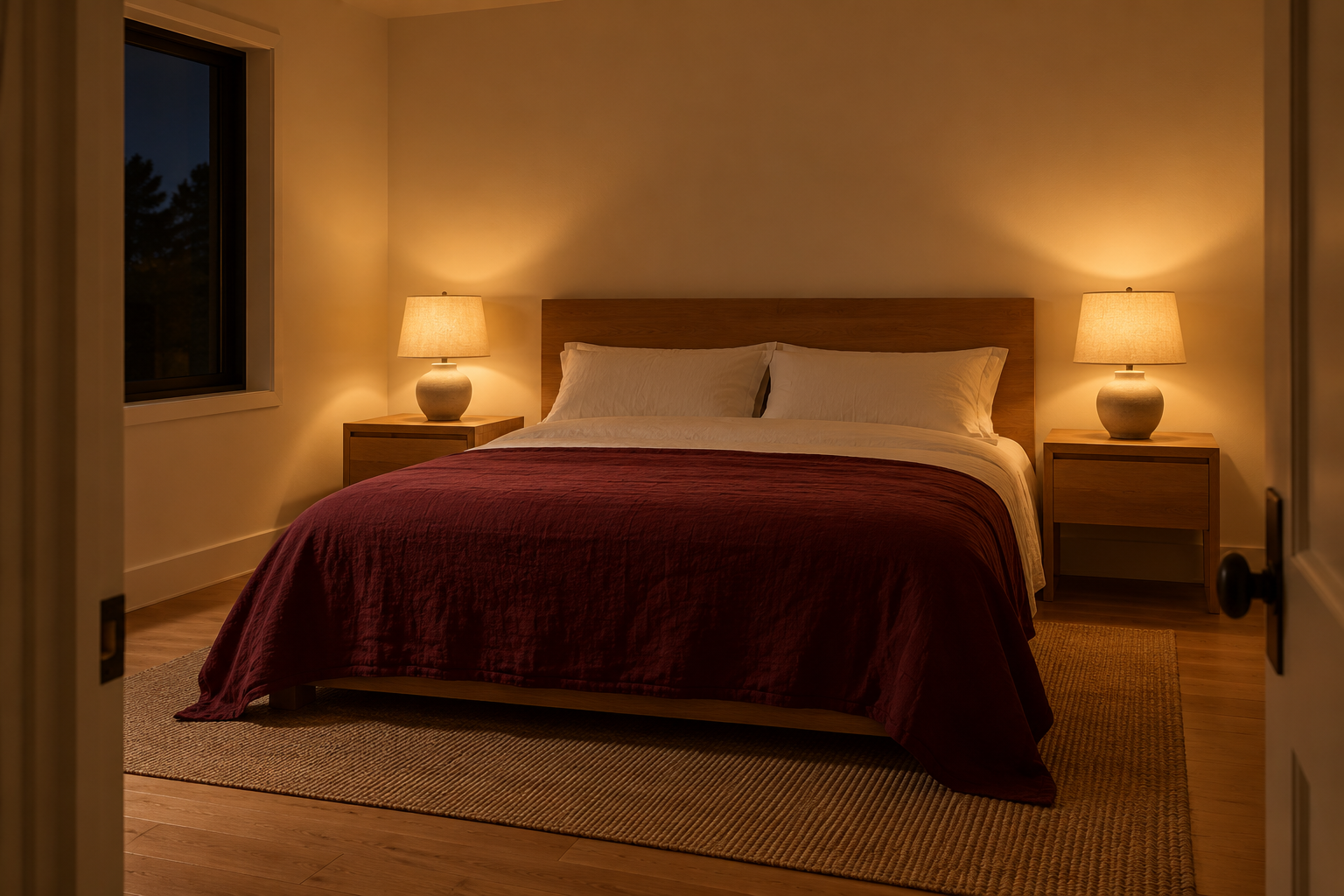
These rooms are used most after dark, and 2700K keeps plaster, wood, and skin the warm color people expect at night. Some prefer bulbs of 2200K to 2400K in table lamps, for an amber glow near candlelight, with 2700K in any ceiling fixture.
A dimmer matters here as much as the rating. Many ordinary LED bulbs keep the same color as they dim, so a 2700K bulb at 20 percent looks flat and white rather than amber. Dim-to-warm bulbs shift from about 2700K toward 1800K to 2200K as they dim, the way an incandescent bulb did.
Kitchens
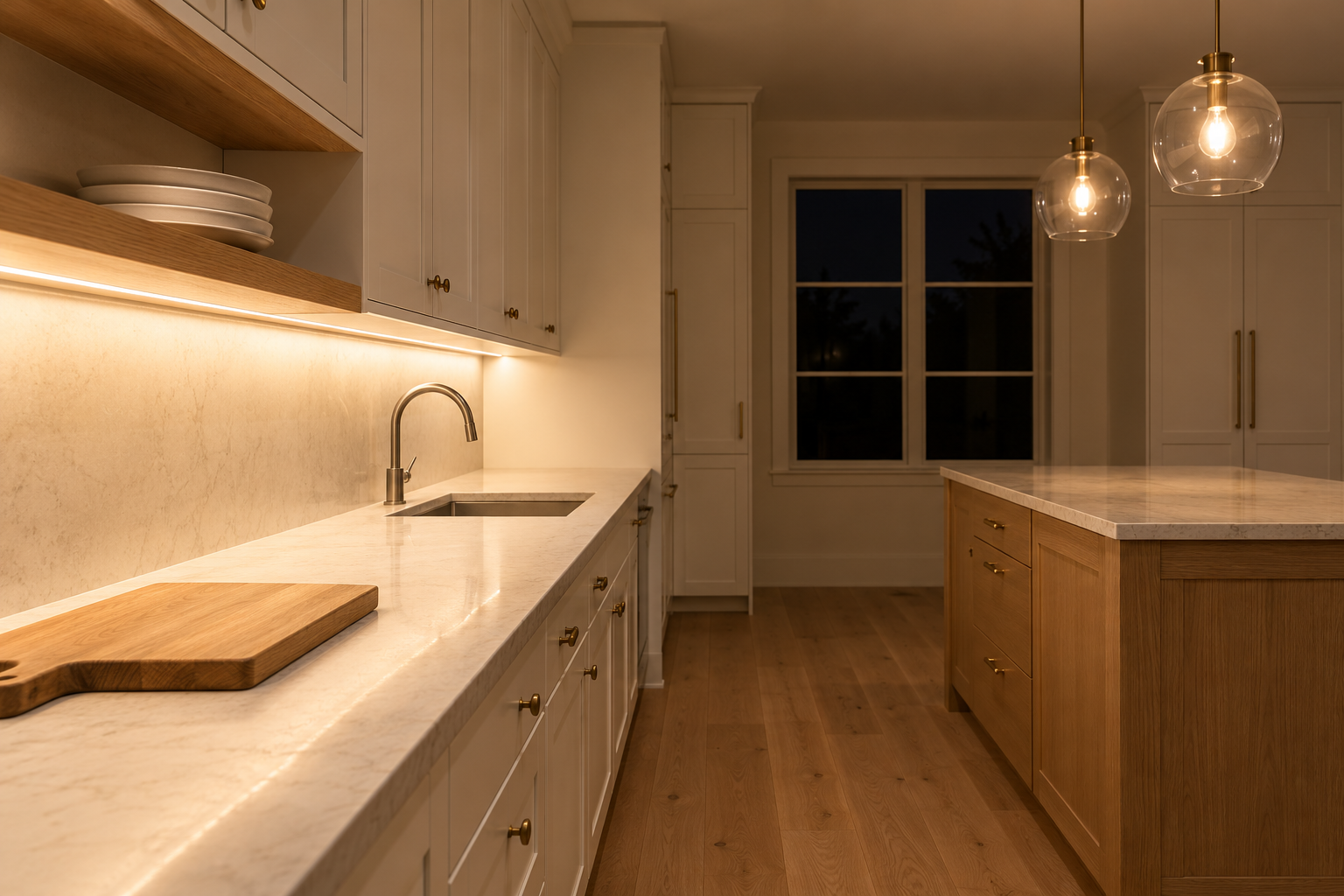
A kitchen at night has to light chopping and cooking and still sit comfortably beside the dining table it opens onto. 3000K does both, a little whiter than the dining room’s 2700K and still warm. A cooler 4000K can make cream cabinets and warm stone look grayer than they do by day.
Use the same temperature in the ceiling lights, the under-cabinet strips, and the pendants. Under-cabinet LED tape is easy to buy in 4000K by mistake, and the difference shows on the counter beside warmer pendants.
Bathrooms
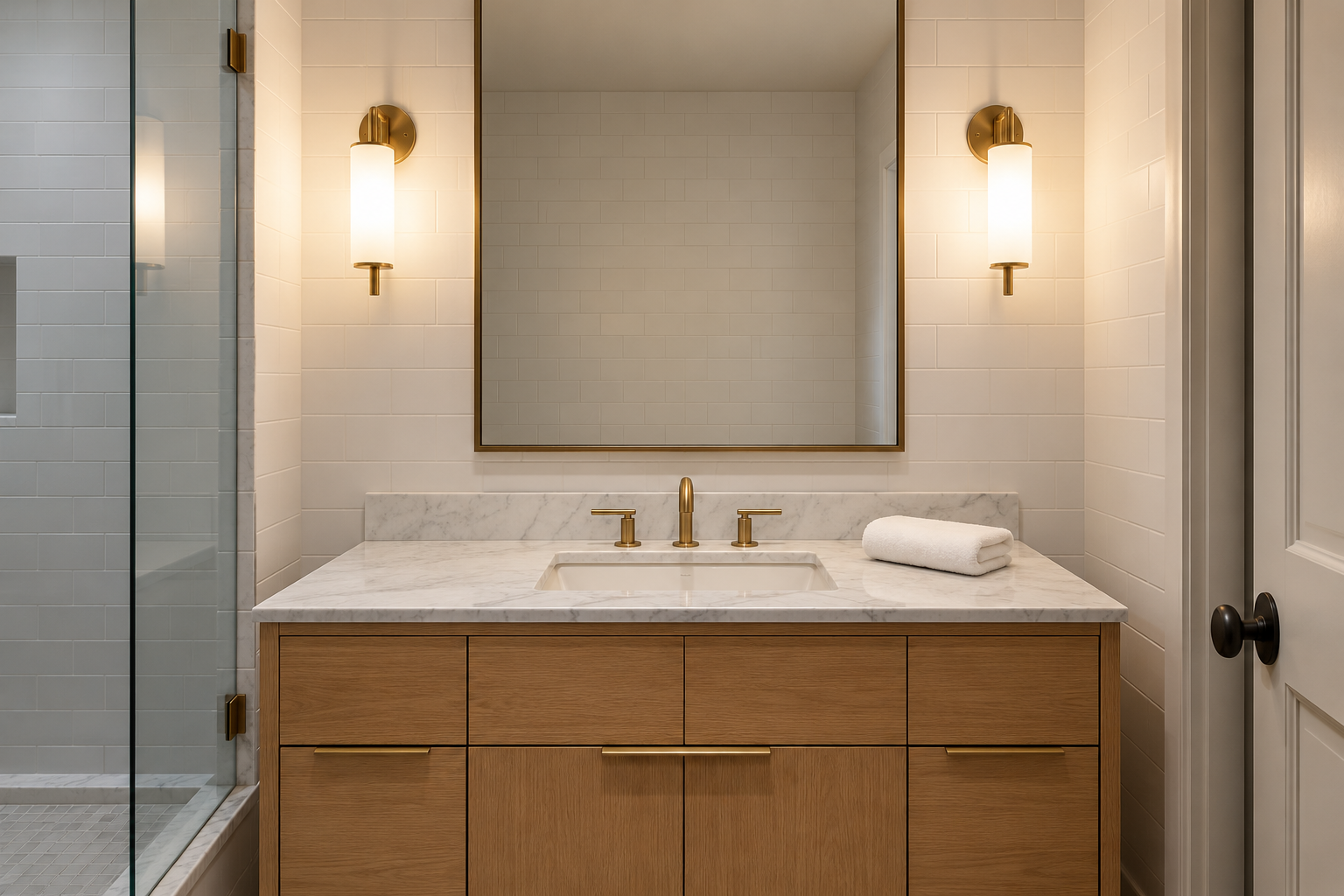
At the mirror the light is for seeing a face clearly, close to daylight in how it shows skin without turning blue. 3000K to 3500K with a CRI of 90 or more is the usual range at a vanity light, clear enough for shaving or makeup and still warm enough for a bath at night. A 2700K vanity light makes skin look warmer than it will outdoors, which matters to anyone matching foundation.
A bathroom with a separate ceiling light on a dimmer can keep 2700K overhead for a bath, with the vanity on its own switch.
Desks and Workspaces
Light at 3500K to 4000K suits a desk used during the day, a laundry room, a garage, or a craft table, where small detail and true color matter more than mood. In a home office that doubles as a guest room, or a desk in a corner of the living room, a desk lamp at 4000K with 2700K or 3000K elsewhere keeps the cooler light on the work.
Daylight bulbs at 5000K and above are for a windowless workshop or basement work area, where the aim is light close to midday.
Keep One Temperature in Each View
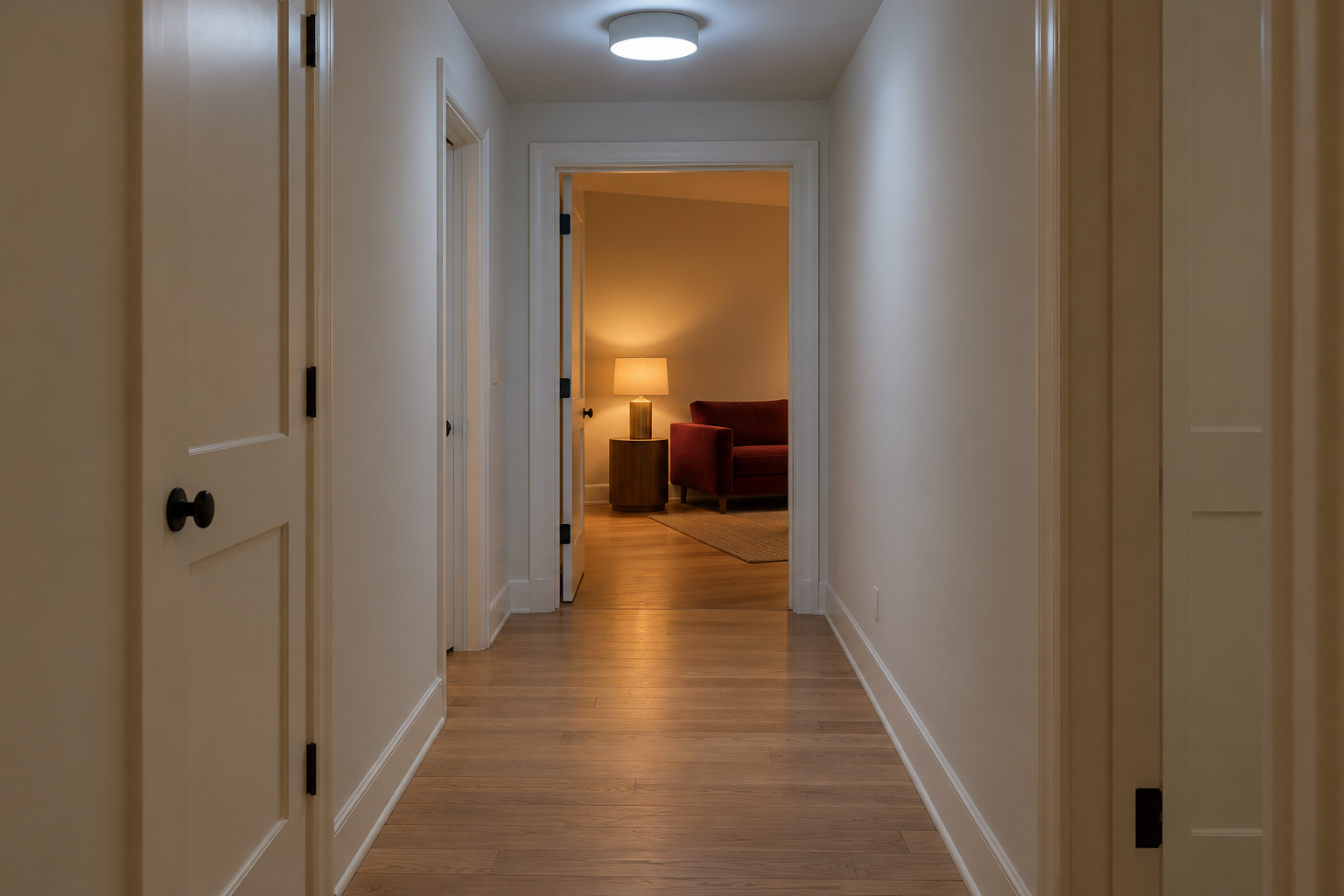
Seen together, two temperatures exaggerate each other. A 2700K lamp beside a 4000K ceiling light makes the warm one look orange and the cool one look blue. Choose one temperature for every bulb you can see from one spot, a hallway and the rooms that open off it, or an open kitchen and living area, and change only where a door or a wall separates the spaces.
The exception is a light aimed at one task on its own switch, a desk lamp or a mirror light, which can be a step cooler than the room around it.