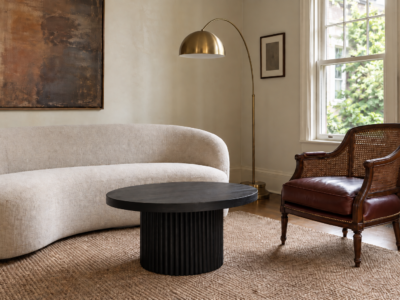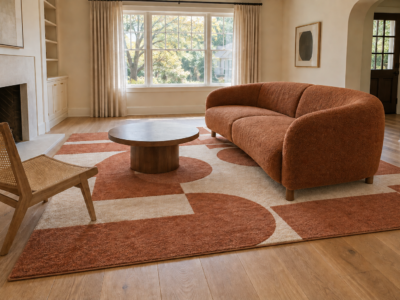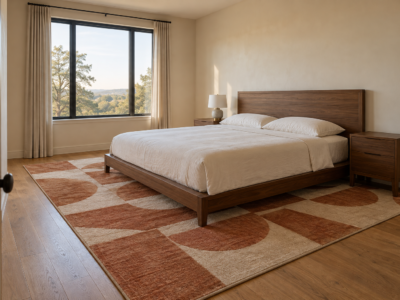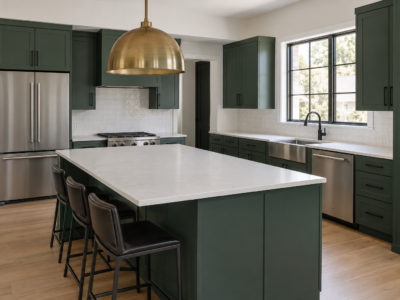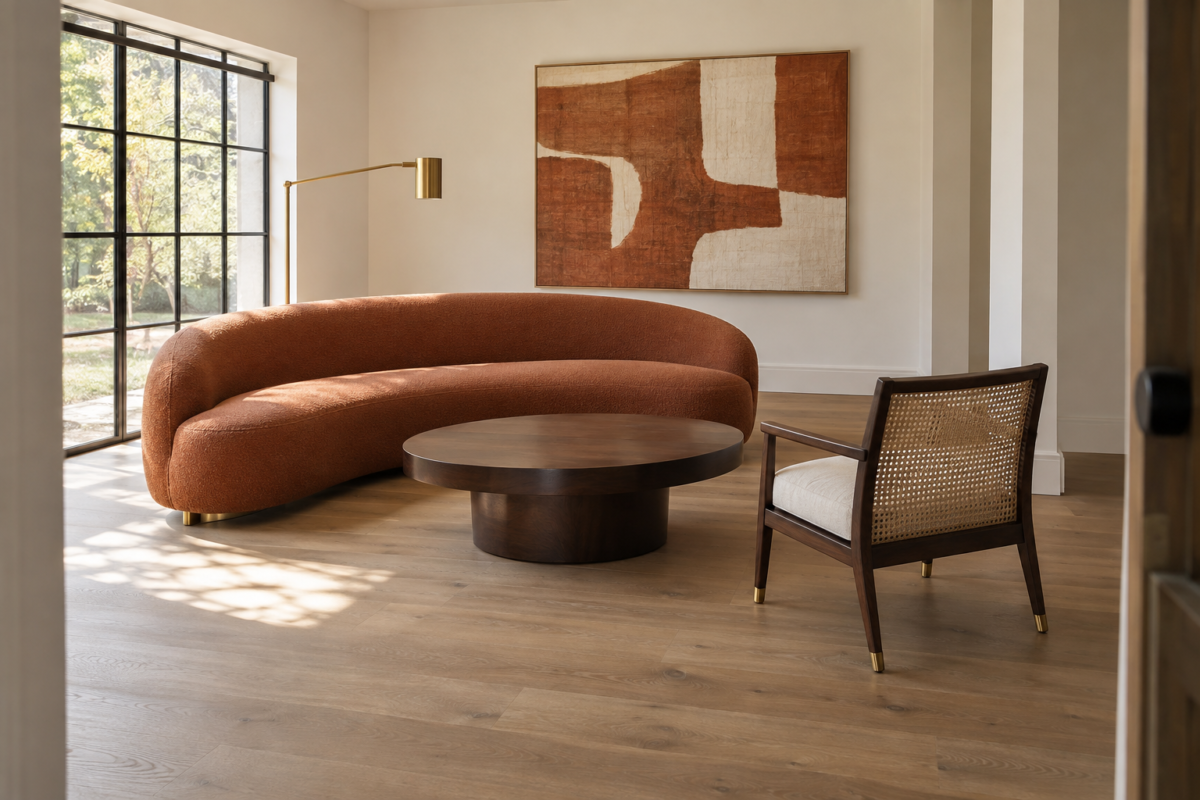
Type “what is my design style” into a search bar and the results split into two useless categories: a quiz that sorts you into one of six moods based on which candle you’d buy, or an encyclopedia entry listing thirty names in a row, each with a one-line definition and a photo. Neither one answers the real question. The quiz doesn’t know what furniture is already sitting in your living room. The encyclopedia doesn’t tell you that “modern” and “contemporary” aren’t the same thing, or that “farmhouse,” “rustic,” and “industrial” get confused constantly because they do share real ground.
Here’s a shorter way in. Almost every named style people search for is a combination of two decisions, how much you want visible in a room at once and whether your materials read warm or cool. Scandinavian and farmhouse are both warm; they differ mainly in how much is out. Contemporary and industrial are both cooler and more architectural; they differ the same way. Once you know where you actually land on those two decisions, the names stop being a list to memorize and start being labels for a combination you’ve already picked.
This isn’t a full catalog of every style that’s ever had a name. It covers the handful that account for most real rooms and most real searches, and spends its length on how they relate to each other, since that’s the part the encyclopedia format skips entirely.
The Two Decisions Behind Almost Every Style Name
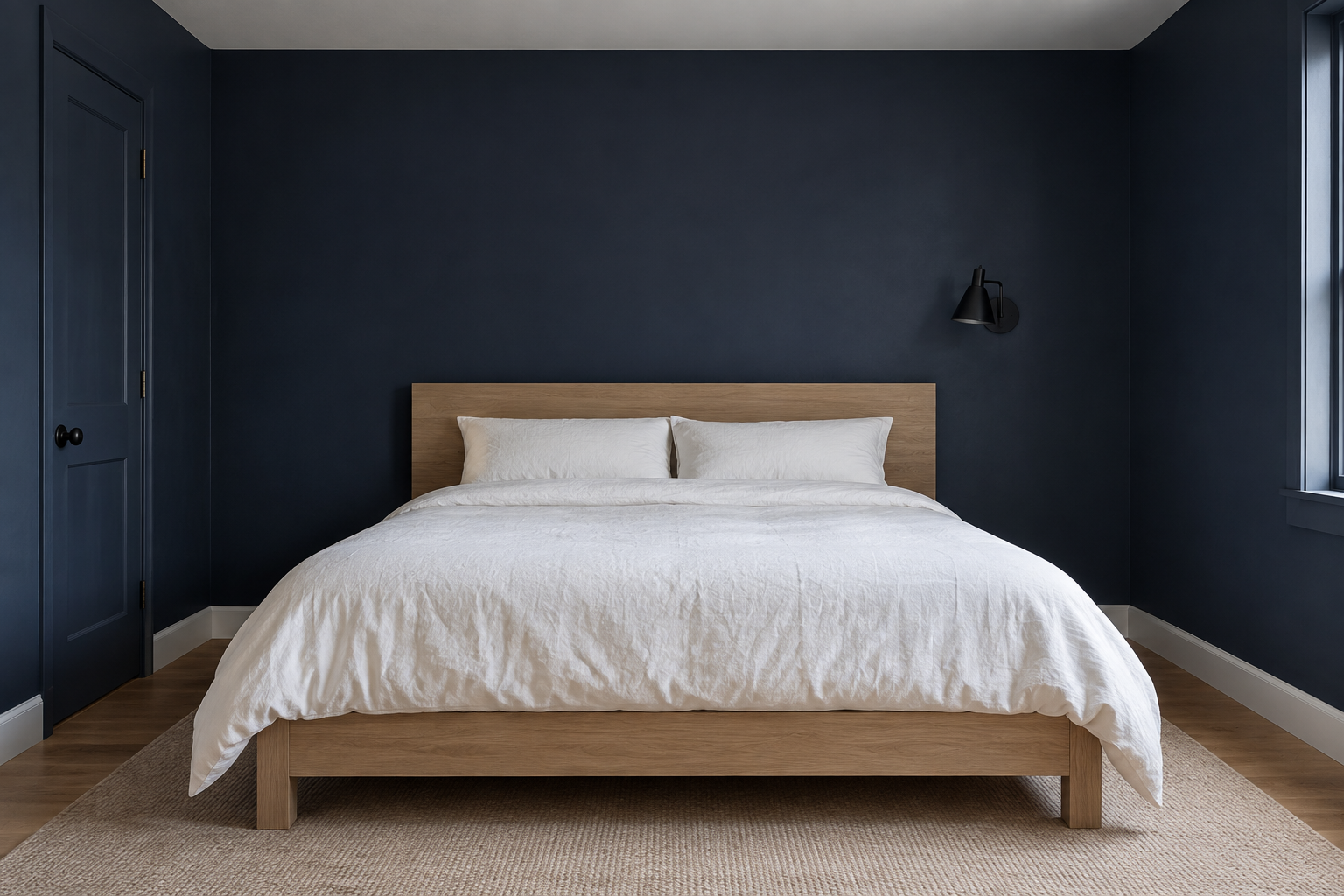
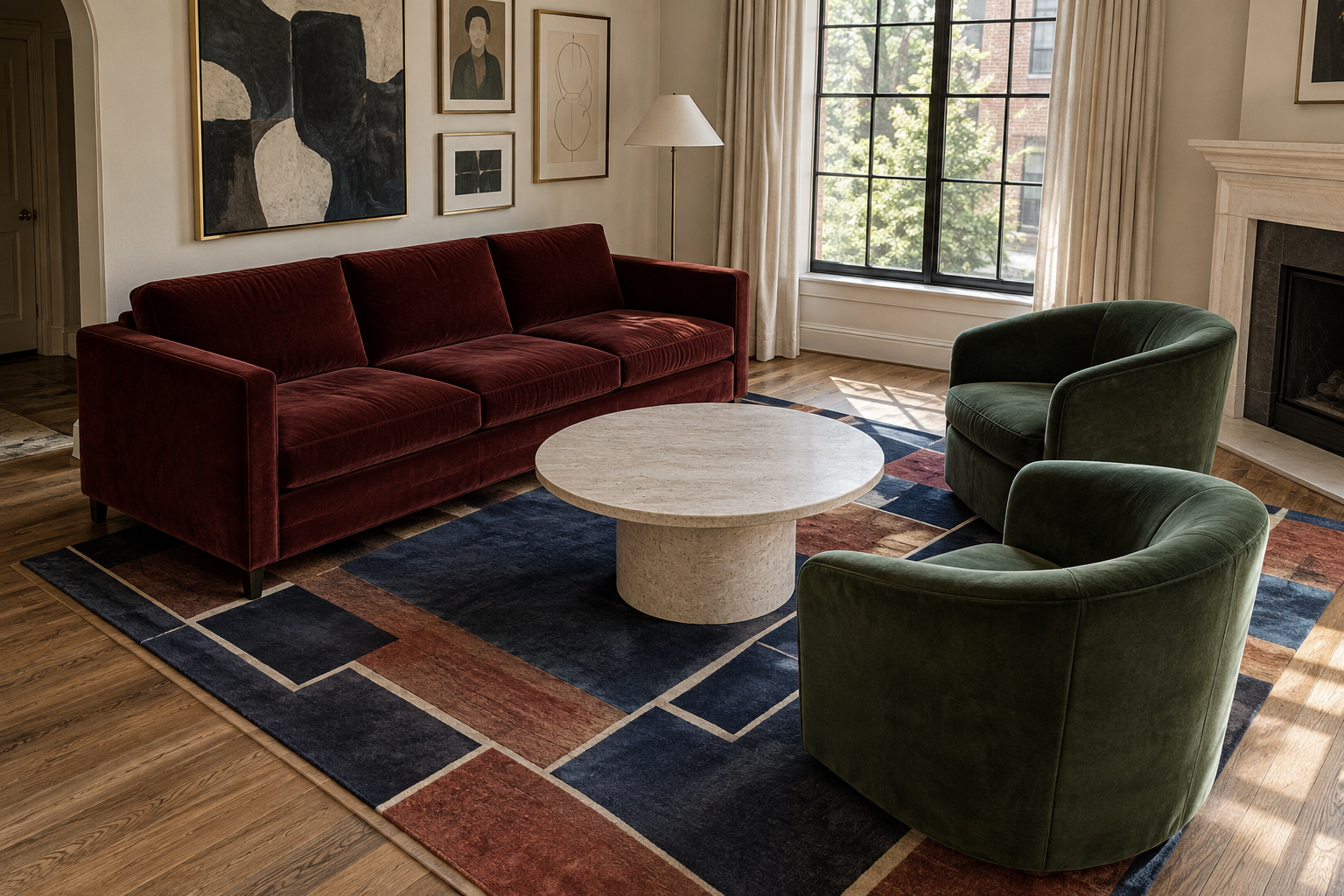
The first decision is density, or how much you want in a room at once. Some people want a handful of considered pieces and a lot of visible surface. Others want a room that feels collected, textured, and a little full, with pattern and objects layered on top of each other. Neither is more sophisticated than the other. It’s closer to a maintenance and personality question than a taste question. Do you put things away, or do things tend to stay out?
The second decision is temperature, and it has nothing to do with your thermostat. It’s whether your materials read warm and natural (oak, linen, iron, clay) or cool and engineered (steel, concrete, glass, matte black lacquer). A room can be spare and warm at once, or layered and cool at once. The two decisions are independent of each other, which is exactly why crossing them produces four genuinely different-looking rooms, not one sliding scale from “plain” to “fancy.”
Most named styles are a position on those two axes, dressed up with a specific set of materials and a bit of history. Knowing the axes first means a new name (Japandi, transitional, wabi-sabi) is something you can place quickly instead of something you have to look up from scratch.
Where the Familiar Names Sit
Spare and Warm
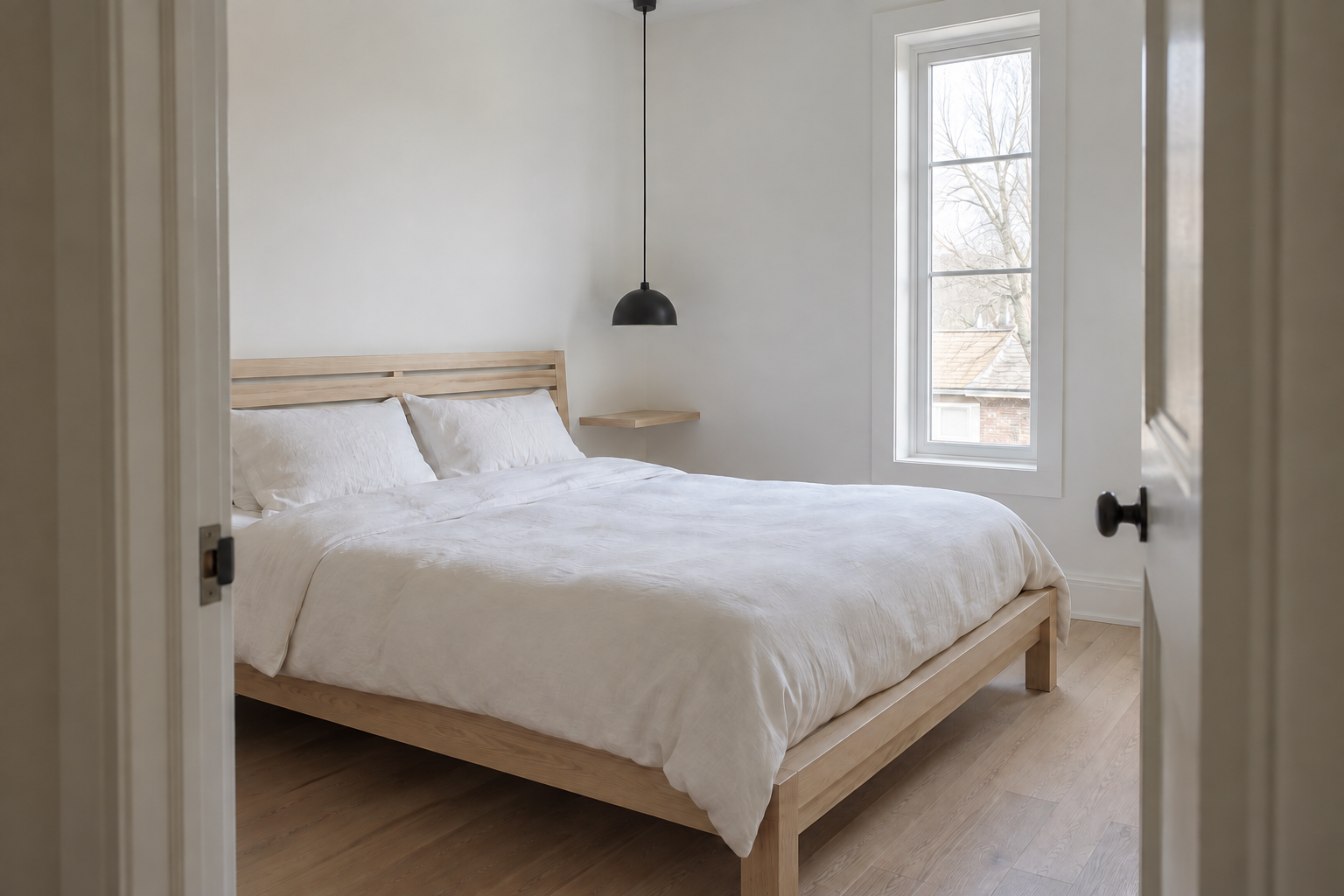
Scandinavian design sits here, and Japandi (its slightly more textural, Japanese-influenced cousin) sits right next to it. Both use pale, real wood, plenty of white, and very little else, but the materials are warm to the touch and the eye even when the palette is quiet. The tradeoff is upkeep of a different kind than a layered room, less to dust, but every piece has to earn its place, since there’s nowhere for a weak choice to hide.
Spare and Cool
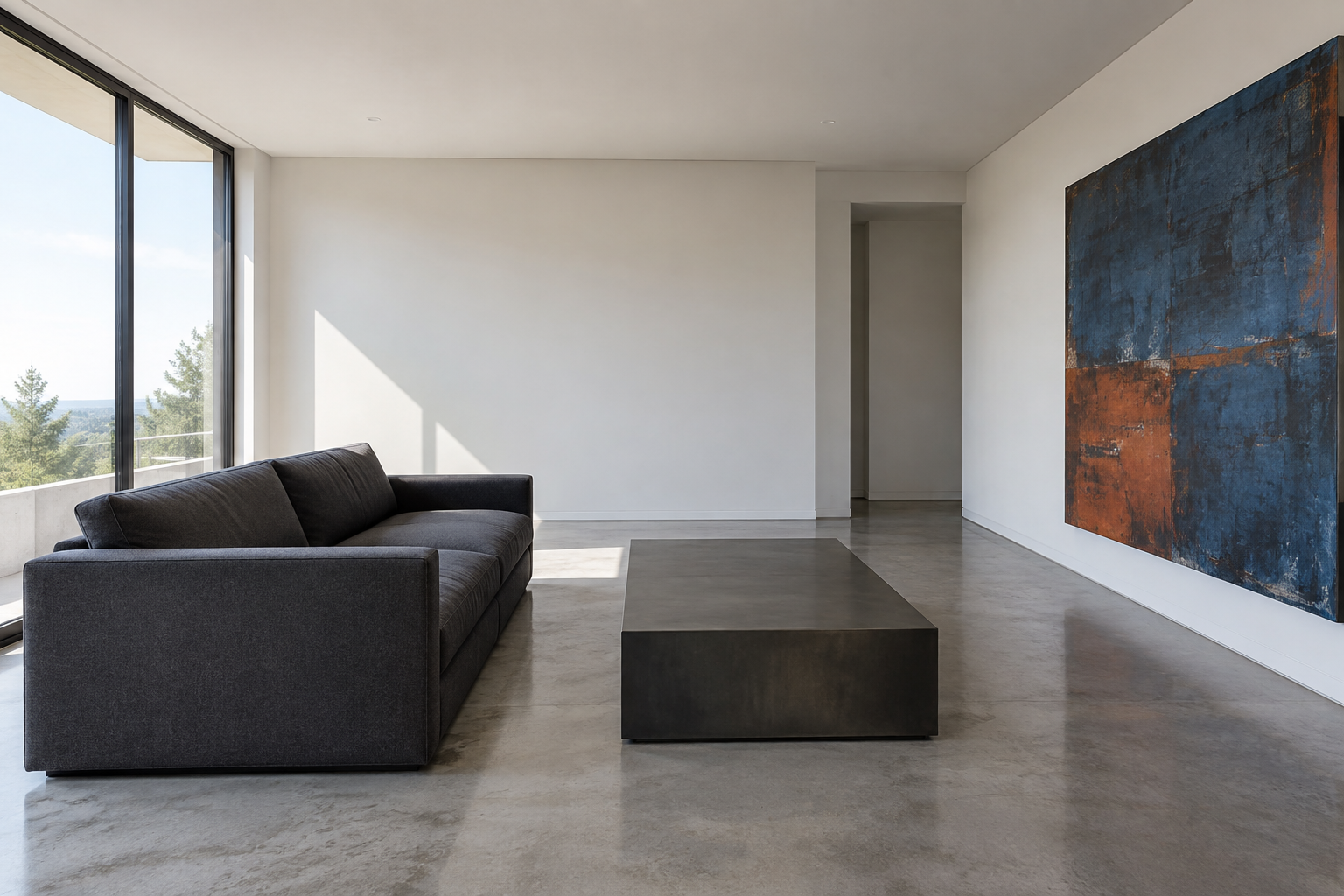
Contemporary design, and the cleaner end of what most people mean by “modern,” sit here. Cooler materials (steel, glass, polished concrete, matte black) paired with restraint. This is the look that reads as most “resolved” in photos, partly because there’s less in the frame to go wrong, and partly because it rewards one confident piece (a single big artwork, one sculptural chair) more than most other directions.
Layered and Warm
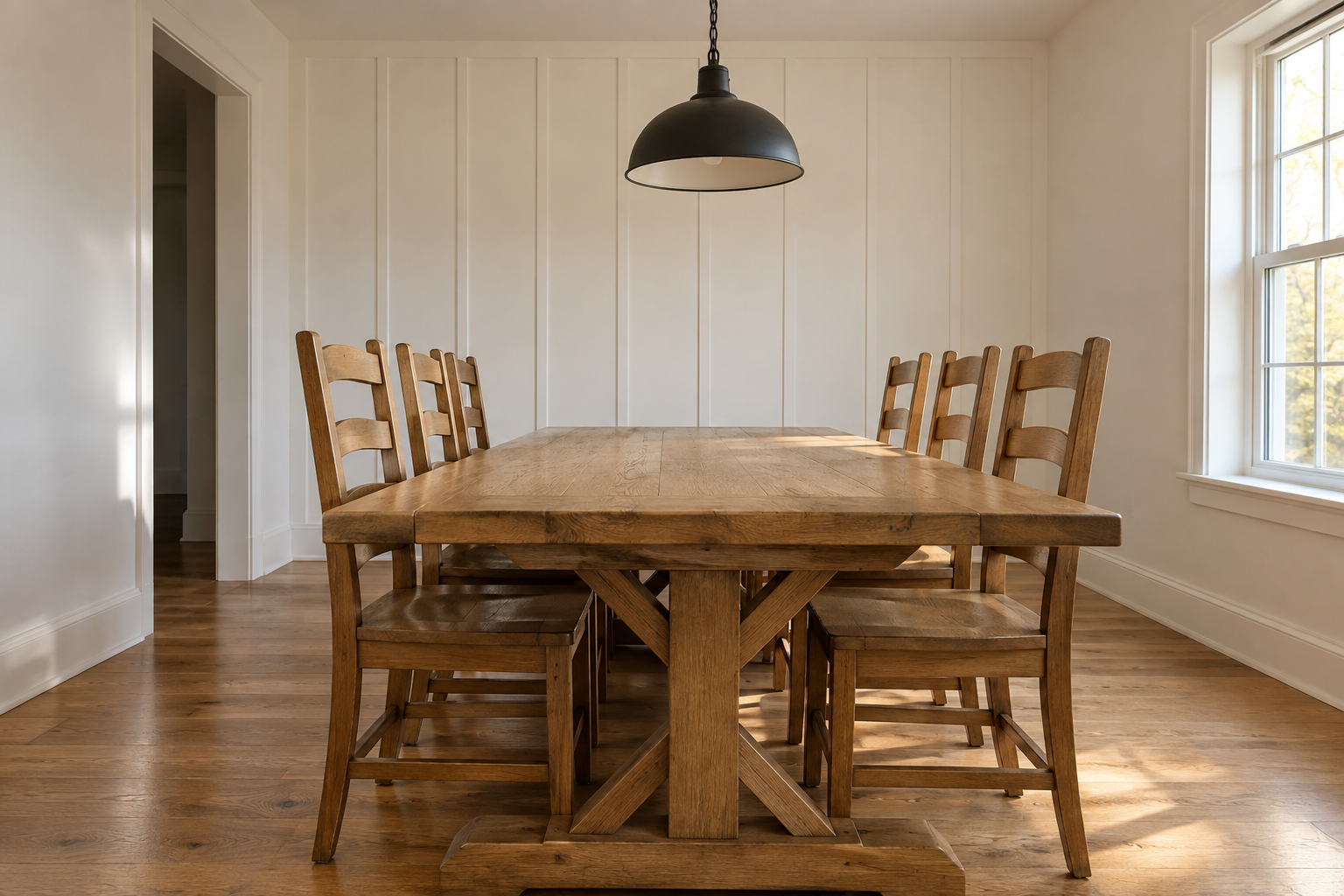
Farmhouse and traditional both live here, despite looking fairly different from each other at a glance. Farmhouse leans sturdy and working, built from reclaimed or reclaimed-look wood and iron hardware, with a practical rather than precious feel. Traditional leans more formal, with richer wood tones, more ornamentation, and upholstery in place of raw material. Both ask more of you in terms of coordination, since more pieces means more chances for something to clash.
Layered and Cool
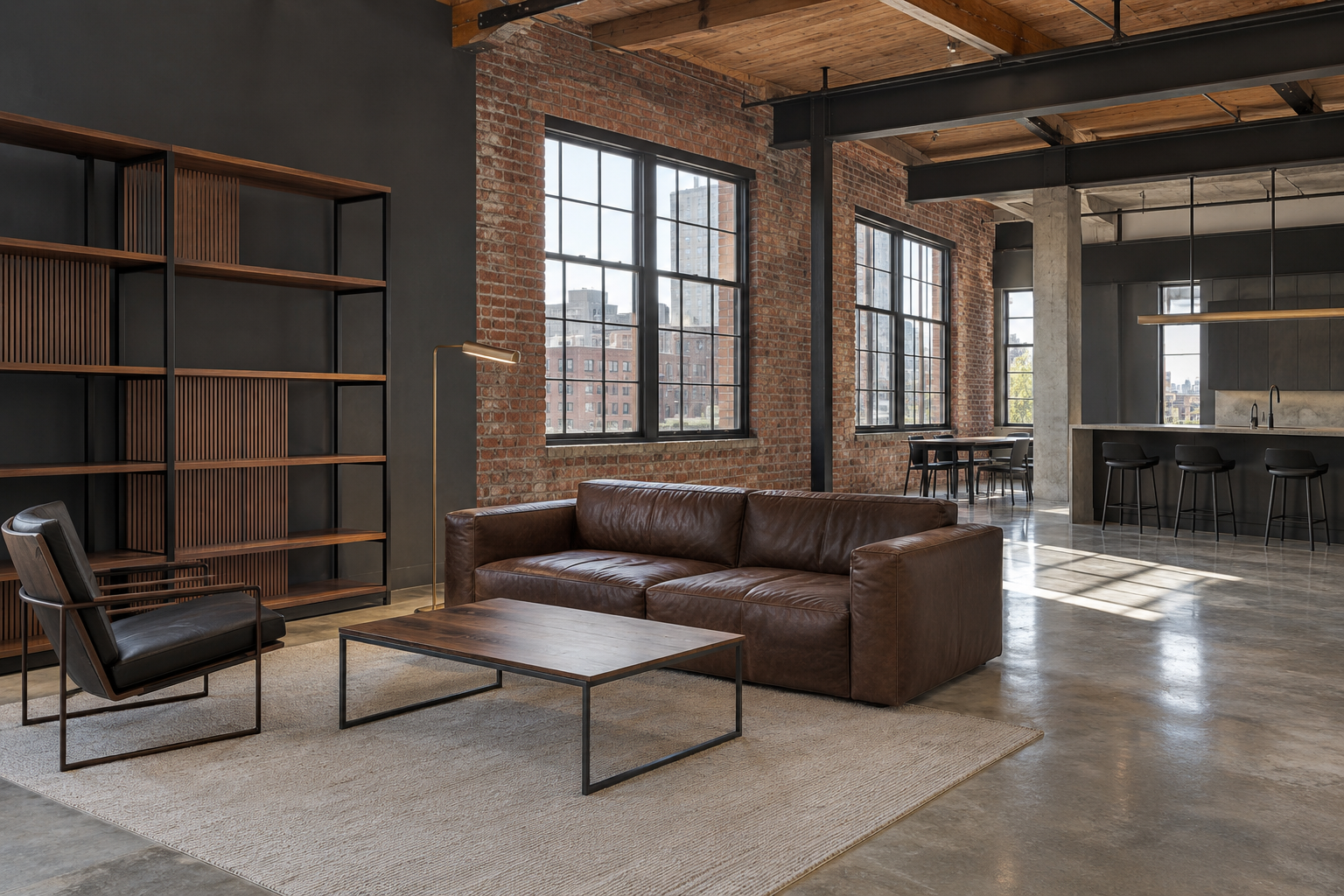
Industrial and the more graphic end of eclectic or maximalist design sit here, built from exposed structure, blackened steel, leather, and concrete, a genuine density of material without it being warm material. This is the direction most likely to get misread as “cold,” but a good version of it is dense with texture, just not with softness.
The Names People Confuse
Modern vs. contemporary. “Modern” technically refers to a specific historical design movement, roughly the mid-1900s, with a known vocabulary of clean lines, minimal ornament, and an honest use of new-at-the-time materials like plywood and steel. “Contemporary” just means whatever’s current, which is why it keeps shifting decade to decade and why it can look softer, curvier, and more varied than the stricter geometric language of true mid-century modern. In practice, most people using “modern” today mean “contemporary.” That’s a fine, common shorthand. It only causes a problem when you’re shopping specifically for period mid-century pieces and search “modern furniture,” and get flooded with current-contemporary results instead.
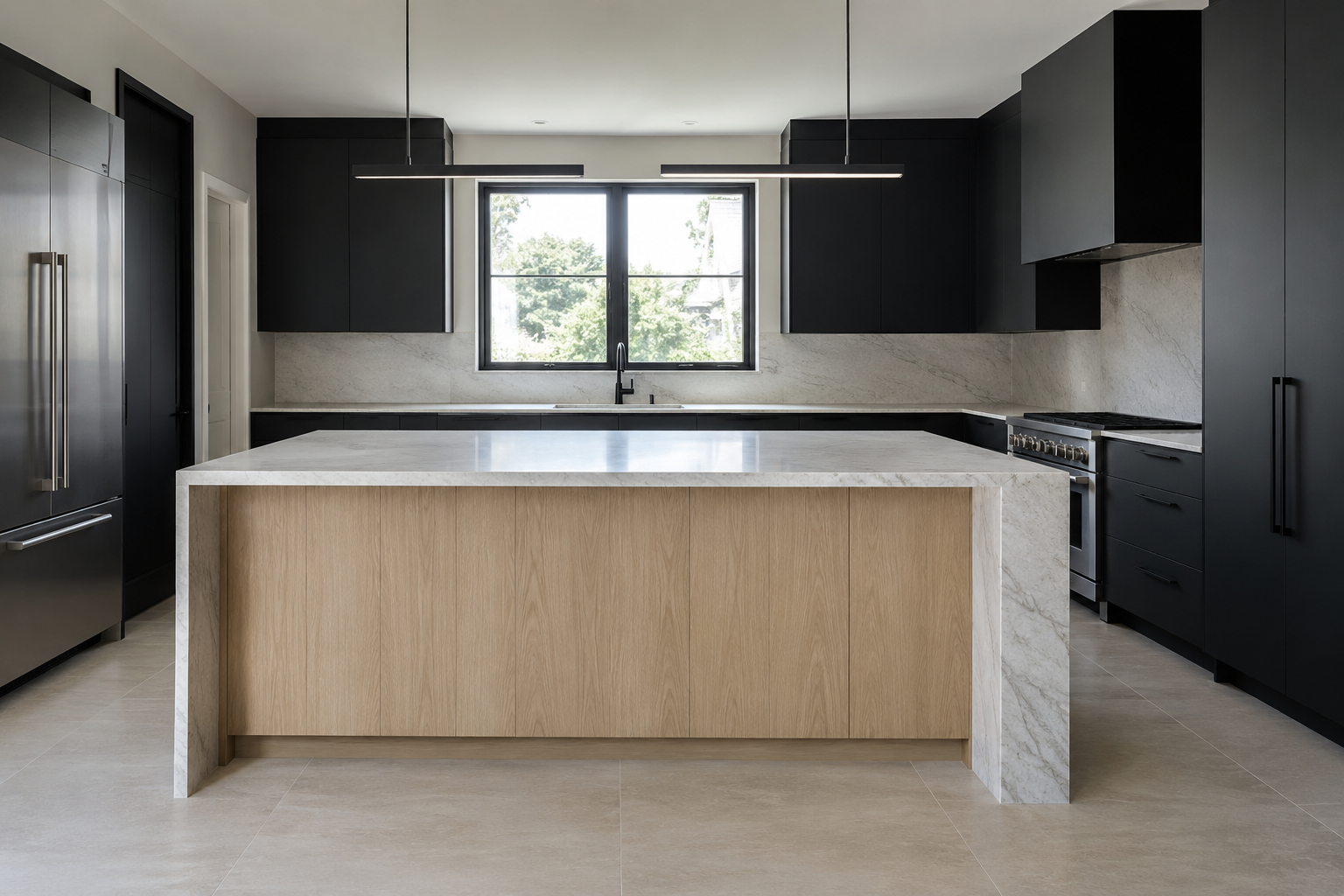
Farmhouse vs. rustic vs. industrial. All three use raw or raw-looking materials, which is why they blur together. The real difference is intent. Farmhouse is domestic and working, wanting to look like a kitchen or a barn that got tidied up, not abandoned. Rustic is about the material itself, usually stone, heavy timber, and texture, with less concern for a specific era or a domestic story. Industrial borrows straight from manufacturing and warehouse architecture, with exposed structure and factory-grade metal, giving it a cooler and more architectural feel than either of the other two, which both stay warm.
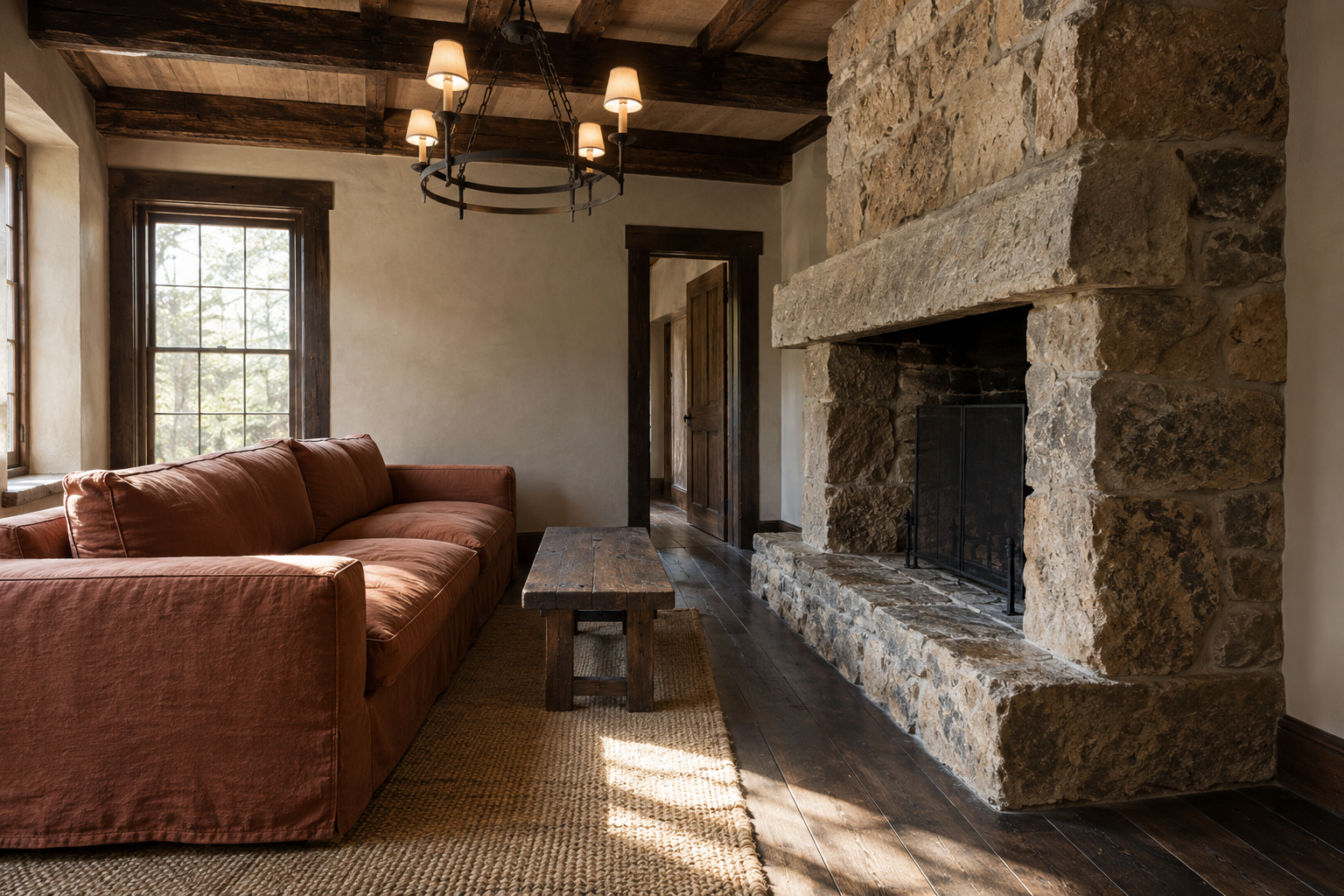
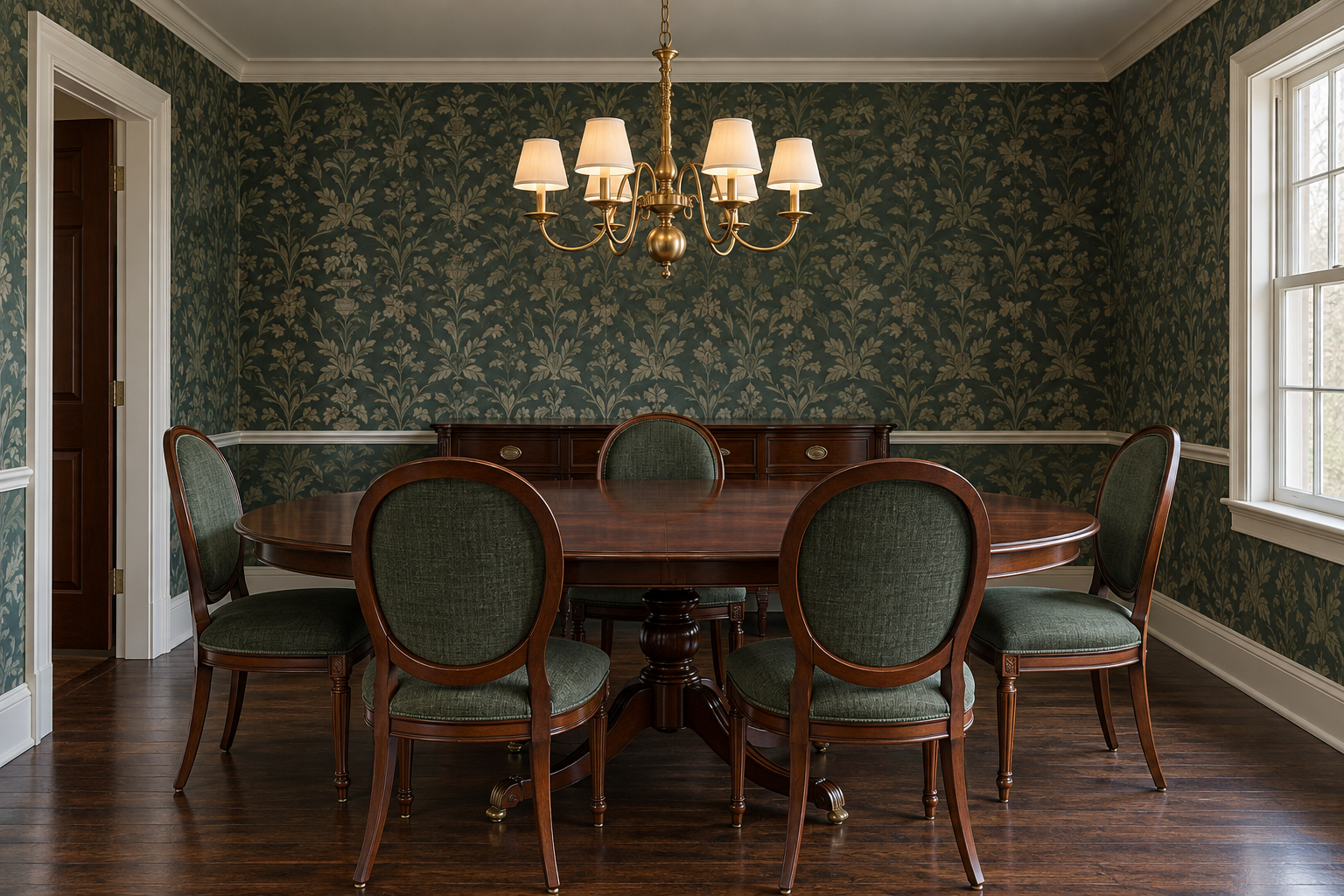
Traditional vs. transitional. Traditional means classic forms, from pedestal tables and carved details to formal symmetry and richer color and pattern. Transitional is the deliberate middle ground, traditional shapes stripped of most of their ornament, paired with more current, simpler upholstery and a calmer palette. If a room feels like a grandparent’s dining room, it’s traditional. If it feels like that same room with the carving sanded down and the color turned to gray, it’s probably being called transitional.
What Your Existing Furniture Is Already Telling You
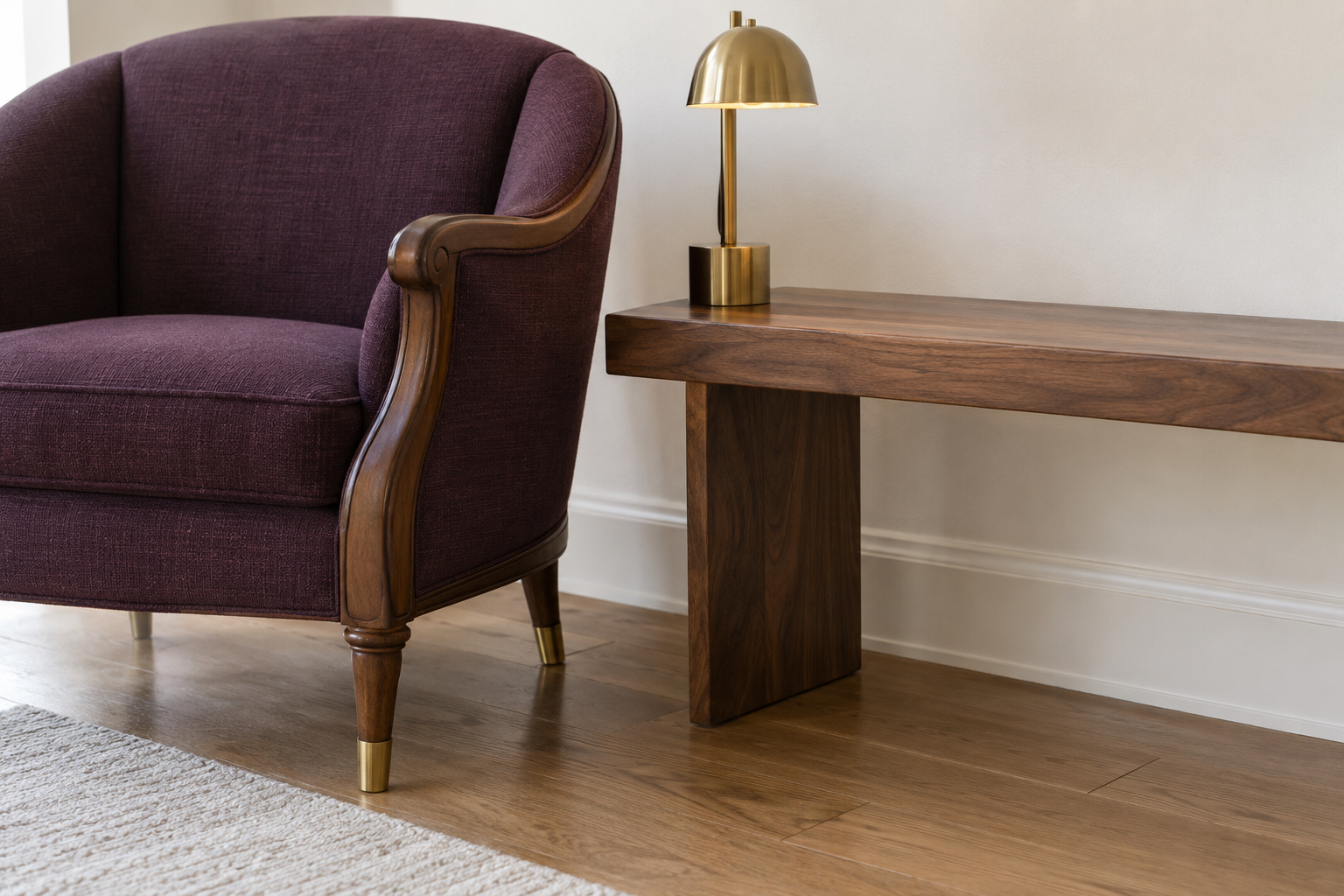
Before naming a style, look at what’s already in the room. Most people don’t buy every piece of furniture at once, from one collection, in one style. A style name usually gets attached after the fact, to describe furniture that already accumulated for other reasons: what was affordable at the time, what was inherited, what got carried from a previous apartment.
That accumulated furniture already tells you more than a quiz would. If most of it is pale wood and simple lines, you’re closer to spare-and-warm than you might think, even without having chosen that on purpose. If it’s a genuine mix, an inherited traditional piece next to something bought new and plain, the honest answer isn’t a single style name at all. It’s a mixed room that needs a connecting thread more than it needs a label, which is a separate problem with its own separate fix, covered in how to mix design styles without the room falling apart.
Testing a Style Before You Commit to It
The two axes above are a starting point, not a verdict, and it’s worth confirming the direction before a real purchase or a full repaint locks it in. A few ways to test cheaply and reversibly:
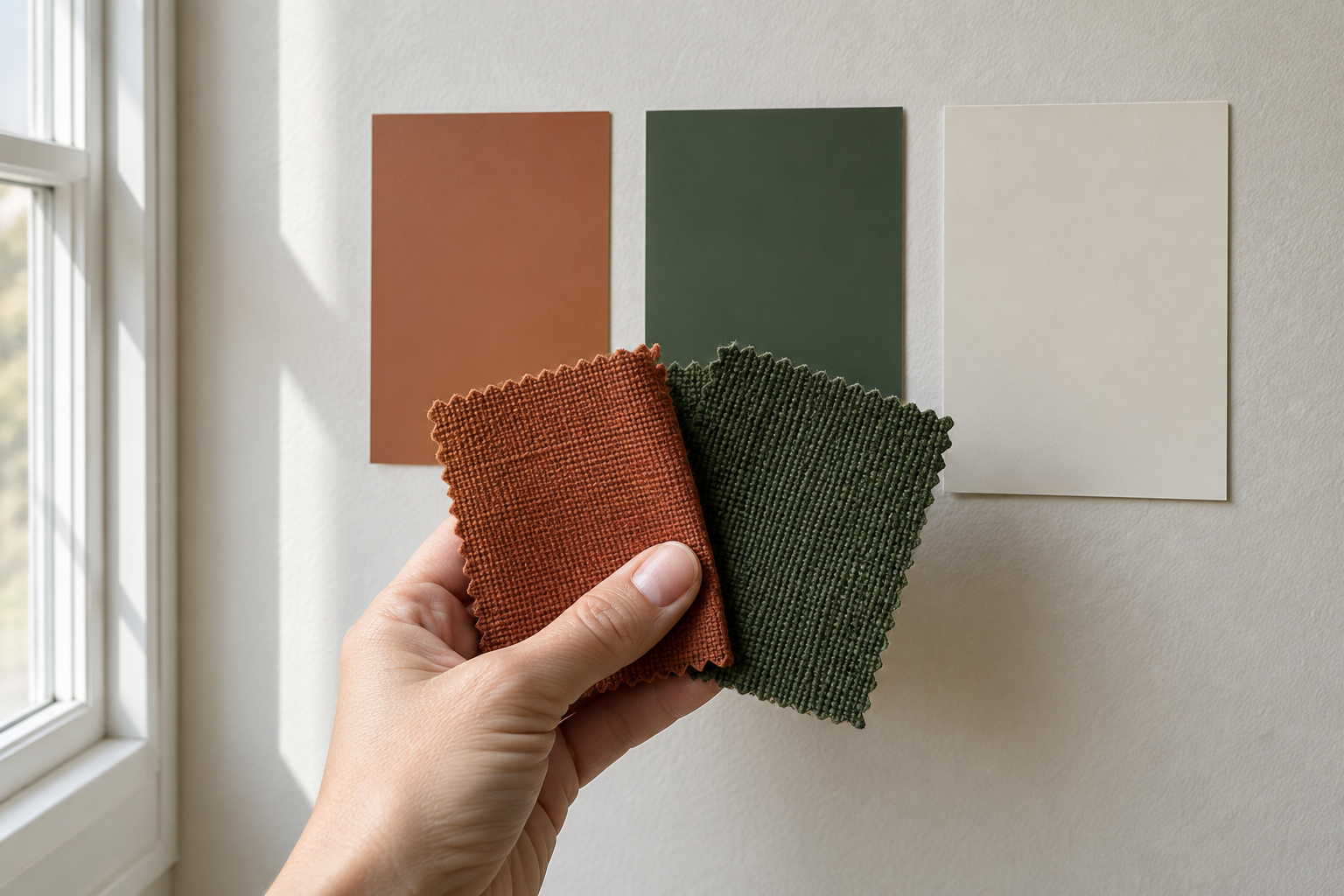
Hold real paint chips against the wall in the room’s own daylight, not under a store’s fluorescent lights, and leave them up for at least a day to see how the color shifts from morning to evening. Undertone matters more than the color name on the chip, and it’s only visible in the room’s own light.
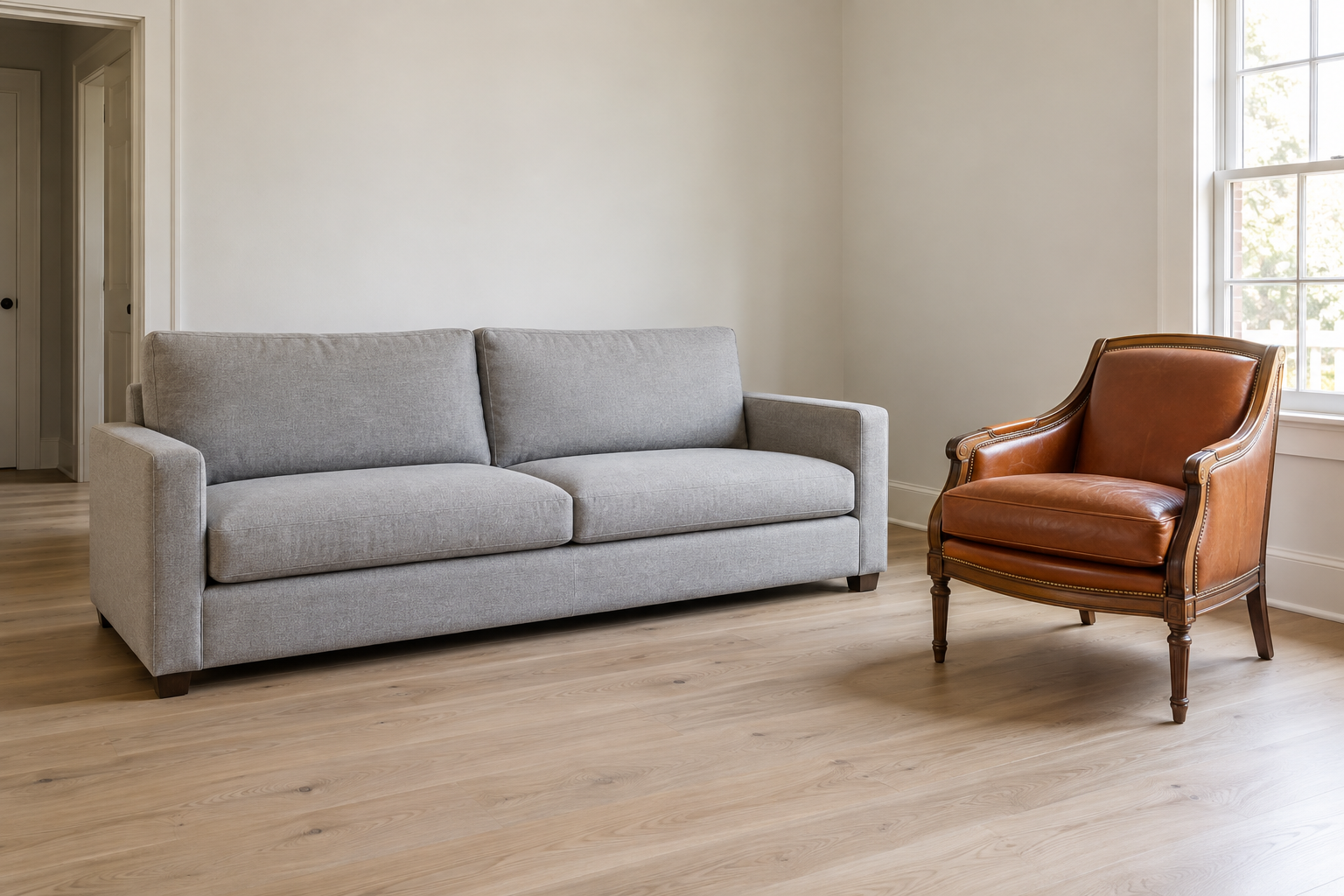
Buy one piece before buying a room’s worth. A single chair or lamp in the direction you’re considering, placed in the actual room, tells you more in a week than any amount of looking at photos. If it feels wrong once it’s there, you’ve lost the cost of one piece instead of a full room’s furniture budget.
Test through textiles before finishes. Bedding, a rug, or a set of curtains is far easier to change than paint or cabinetry if the direction turns out wrong, which makes it the lowest-risk way to confirm a warm or cool material decision before committing to anything permanent. And once the finish itself is chosen, sheen matters as much as color: the same color reads differently depending on how much it reflects.
Frequently Asked Questions
Can a room combine two different quadrants, like spare-and-warm with layered-and-cool?
Yes, and most real rooms end up somewhere between two quadrants rather than purely in one. The two-axis framework is meant to locate a starting direction, not to lock a room into one named style with no movement allowed.
Is “eclectic” its own style, or a way of avoiding the question?
Both, depending on execution. An eclectic room done well still makes real decisions about density and material temperature; it just draws pieces from more than one named style to get there. An eclectic room with no repeating thread at all reads as unplanned rather than eclectic, which is a separate problem covered in the guide on mixing styles linked above.
Does a small room limit which quadrant is realistic?
Density matters more than temperature in a small room. A layered, dense room needs real square footage to avoid feeling cramped, while a spare room, warm or cool, tends to work at almost any scale. That’s a genuine practical constraint, not a style preference.
How long should a “test” period last before committing to paint or furniture?
Long enough to see the room in more than one light condition, which usually means at least a few days for a paint swatch and at least a week or two for a single test furniture piece. A color or a piece that still feels right after that stretch is a much safer bet than one judged the same afternoon it arrived.