Most decluttering attempts create more mess before they create less, and that part is normal. Where they usually go wrong is scale: everything from a closet, a drawer, or an entire room gets pulled out onto the floor at once, on the theory that seeing it all will make sorting easier. Two hours later, the bed and floor are both covered, the piles have merged back into one, sorting has turned into an excavation project, and closing the door starts to feel like the easier option.
This guide isn’t about finding more willpower. It’s about working in a different order, using smaller zones, contained piles, one decision rule instead of ten, and one area finished before the next one opens. Done that way, the middle of the process stays temporary and visibly improving. It never turns into a bigger disaster than the clutter it replaced, and it doesn’t require clearing an entire Saturday to see real progress.
Pick One Zone Before You Touch Anything
“Declutter the bedroom” or “clean out the closet” isn’t a task, it’s a category, and categories don’t get finished in an afternoon, no matter how motivated you feel at 9 a.m. Choose a unit small enough to complete in one sitting, something like a single drawer, one shelf, the top of a dresser, or one side of a closet rod. A zone sized to twenty or thirty minutes gets finished, keep pile put away and all. A zone sized to “the whole room” gets abandoned half-sorted, with everything still out, the moment time or attention runs low, usually well before dinner. The room isn’t the working unit here. The zone is.
Sort Into Piles You Can Actually See
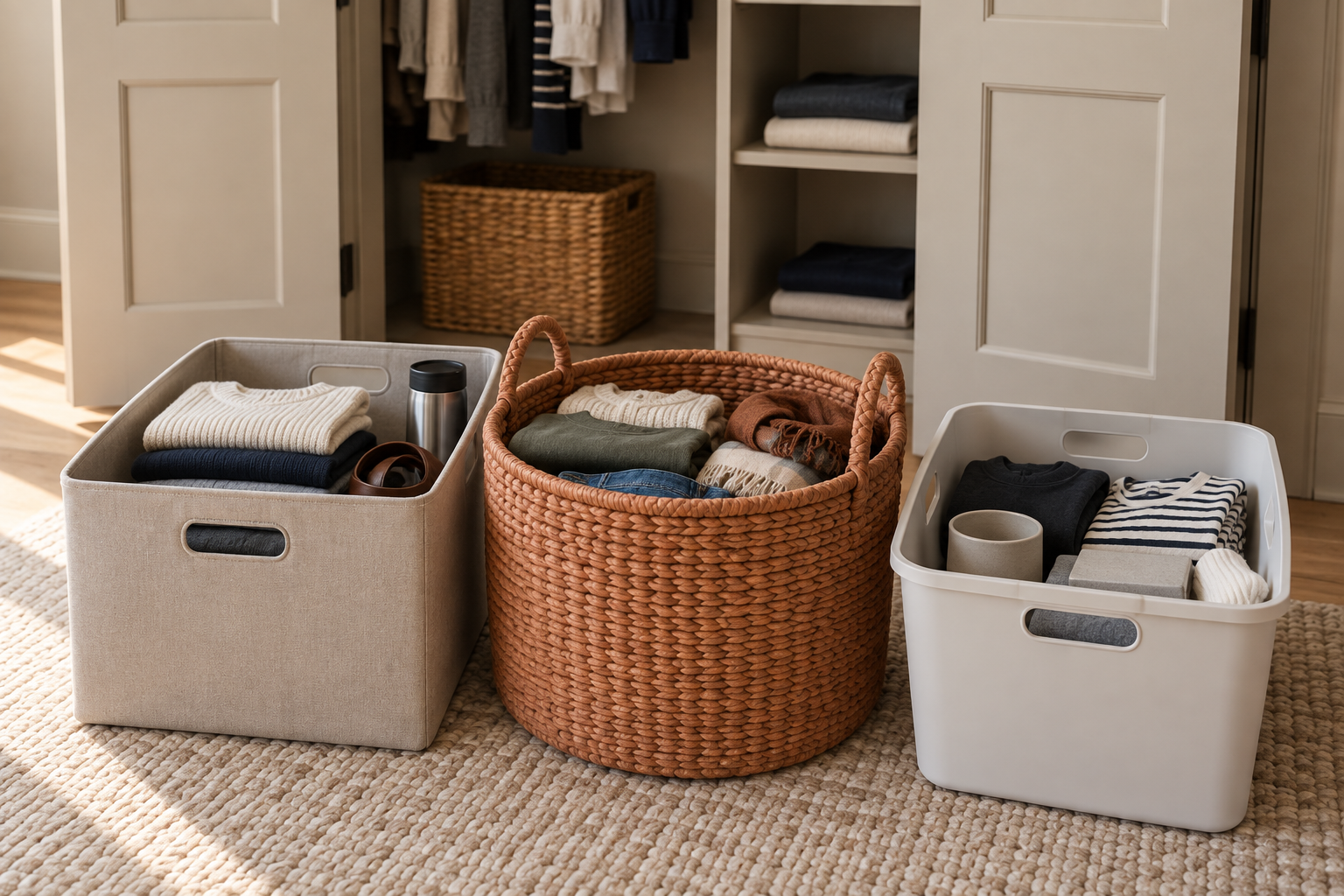
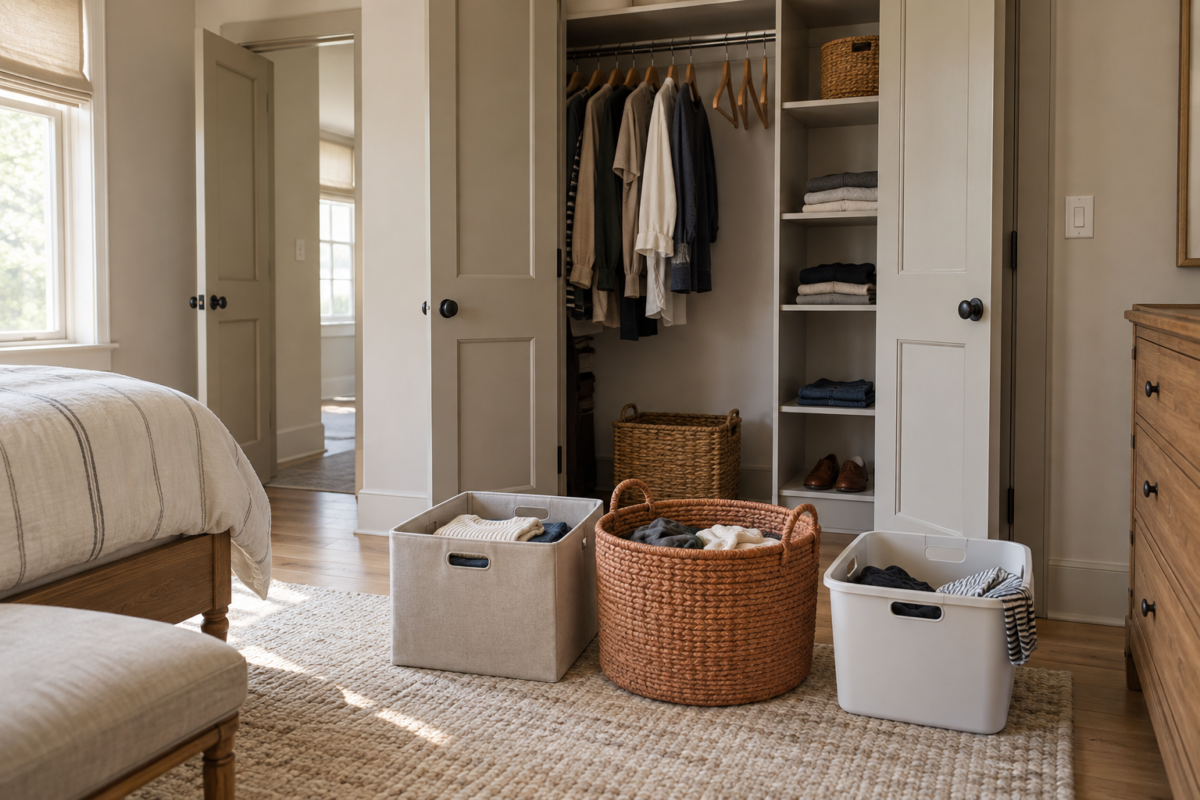
Three piles cover almost everything: keep, donate, and toss. A fourth, “belongs somewhere else in the house,” is worth adding if items keep turning up that don’t belong in this zone at all. What matters more than the categories is where they live while you’re sorting. Contained piles, in bins, boxes, or on one cleared surface, stay readable and finite. A pile spread across the whole floor stops looking like progress and starts looking like a reason to quit. Keeping piles small and visible is also what keeps the process from looking chaotic in the middle. A contained sort, even mid-project, never resembles a demolition.
Work Through One Zone at a Time
Move through zones in a deliberate order, one drawer, one shelf, one section of the closet, rather than bouncing between whichever spot looks more interesting at the moment. Bouncing around is how a room ends up with five zones half-touched instead of two zones fully done, and how a task that should take an hour stretches into an entire afternoon with nothing finished to show for it. It also means a second area gets opened before the first one’s piles are dealt with, which is exactly how a contained sort turns into the floor-covering mess this method exists to avoid.
Decide With One Question, Not Ten
Most decluttering sessions stall on decision fatigue, not on time. Give each item one test: have you used it in the past year, and if not, would you buy it again today. A yes to either keeps it. A no to both sends it to donate or toss, without a debate about “someday” or “just in case,” the two phrases that turn a twenty-minute zone into a two-hour one. Sentimental items get one separate rule instead of an open-ended exception, a single designated box sized to what fits inside it, not a growing pile of everything attached to a memory.
Move the Donate and Toss Piles Out the Same Day
A pile that stays in the house isn’t finished decluttering, it’s relocated clutter with a new address. Bag the toss pile for the next trash pickup right away, tonight if pickup is tomorrow morning. Put the donate pile in the car, or by the door with a pickup scheduled within the week. A donate box sitting in the garage for two months does the same job the original clutter did, just somewhere less visible, and it’s usually the first thing that gets re-sorted back into the house by accident.
Finish Completely Before You Open the Next Drawer
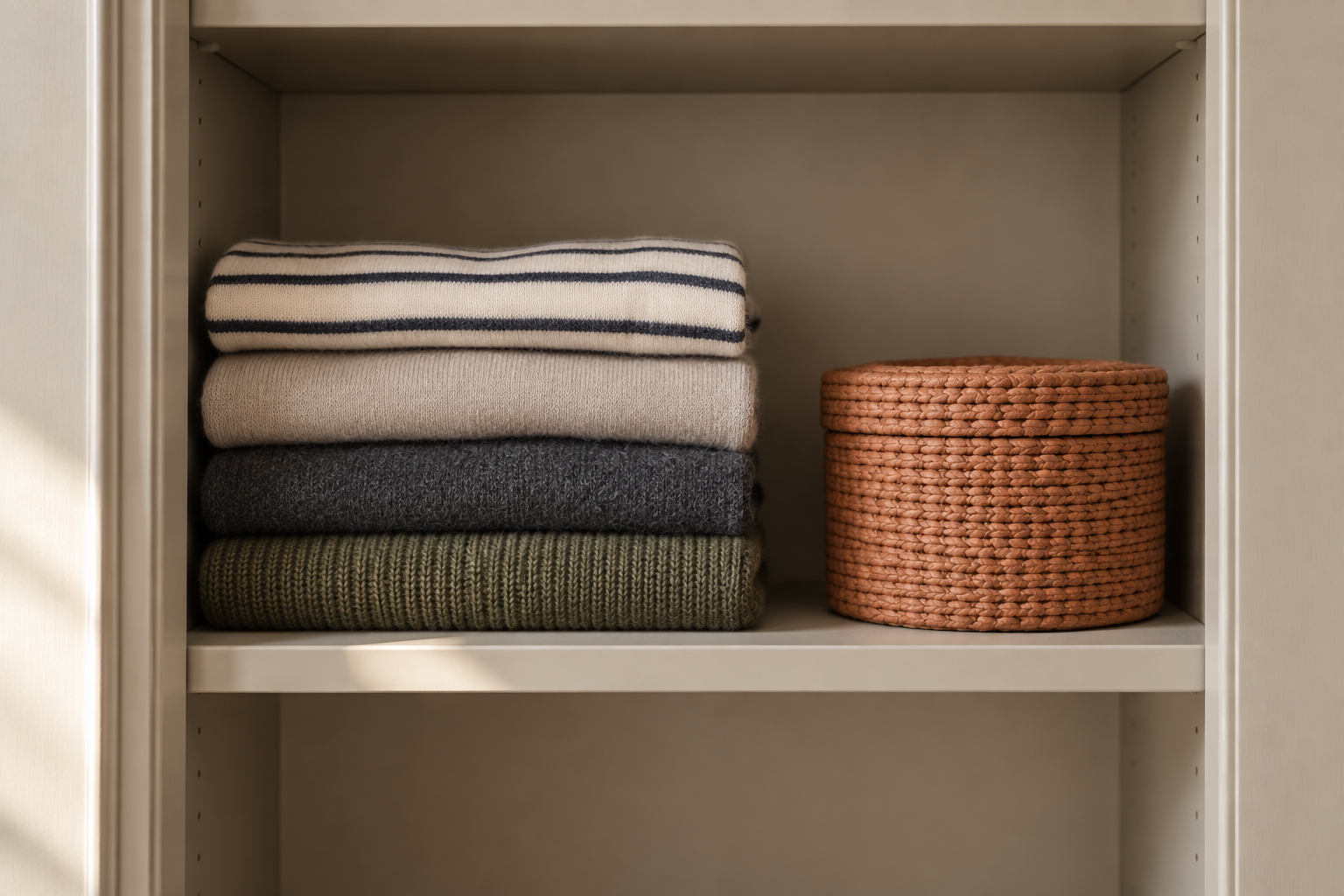
Finishing a zone means put away, not just decided. Keep items go back where they belong, not onto a “sort later” pile that quietly becomes its own new zone. Donate and toss items leave the room’s floor space the same day, per the rule above. The surface gets wiped or straightened if it needs it. A zone that’s decided but still sitting out in piles is what creates the appearance of chaos this whole approach exists to prevent, so treat “decided” and “finished” as two different states, and don’t open the next zone until both are true, even if that means stopping for the day with only one small drawer to show for it.
None of this requires a free weekend or an empty calendar. It works because the unit of work is small enough to finish, the decision rule is simple enough to apply without deliberating, and the order keeps yesterday’s progress intact while today’s zone gets handled. Declutter this way and the room never looks worse than when you started, not even in the middle, and there’s always one finished, put-away zone to point to as proof the system is working.
If the zone you just cleared out is mostly closet space, this same approach is the step that comes before reorganizing what’s left. Our guide on how to organize a small closet without buying a bunch of bins picks up from exactly this point.
Frequently Asked Questions
What if I can’t finish a zone in one sitting?
Stop at a real boundary, once items are sorted into their piles, not partway through sorting itself. A zone left with clearly decided piles can sit safely overnight, even for a couple of days if life gets in the way. A zone left half sorted turns back into the same mess it started as, since none of it has been decided yet, so if time runs out mid-decision, finish deciding before you stop, even if putting everything away has to wait until tomorrow.
How small should a zone really be?
Small enough to finish start to finish in the time you actually have, not the time you’re hoping to find later. Twenty minutes to an hour covers most people’s typical sessions on an ordinary weekday. A junk drawer or one closet shelf is a reasonable zone. An entire closet in one sitting usually isn’t, unless it’s genuinely small to begin with, in which case treat it as one zone rather than splitting it further.