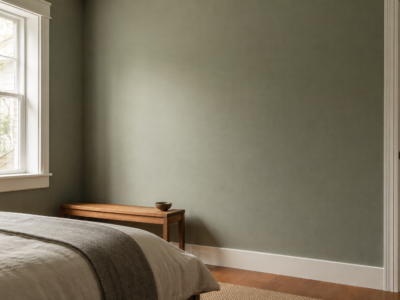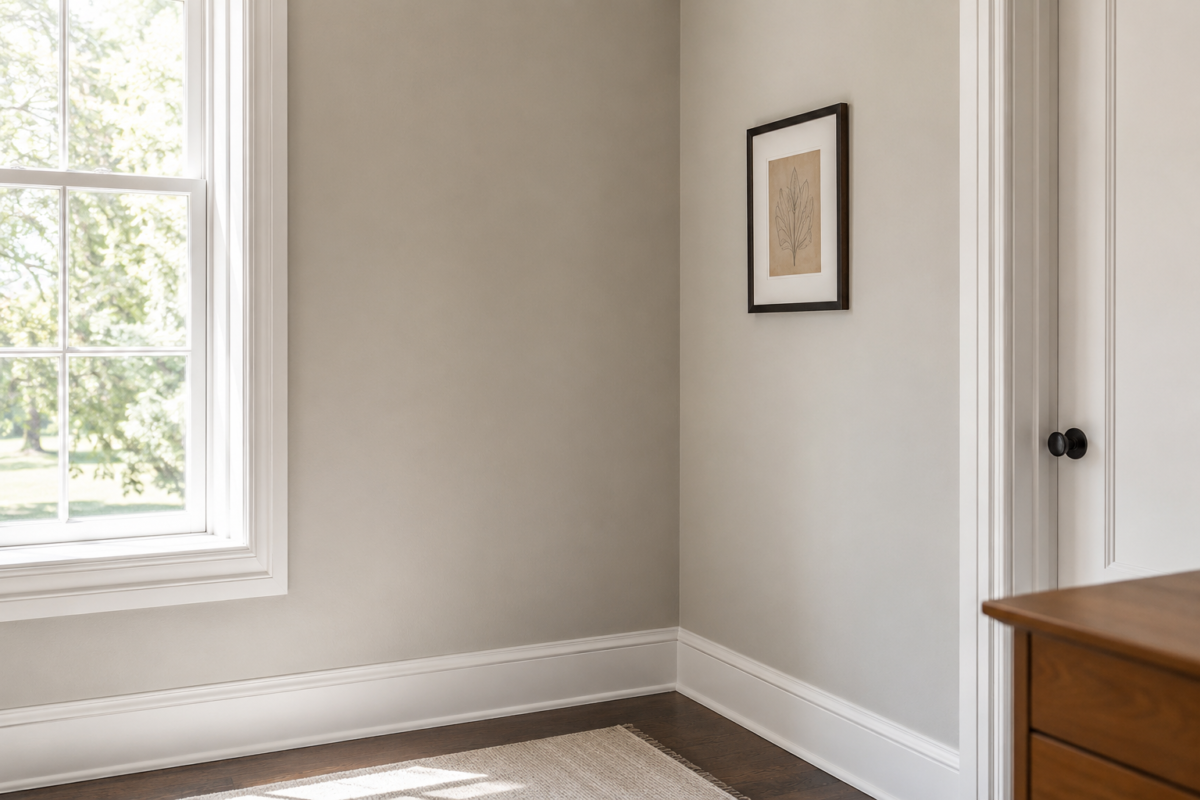
Sheen gets treated as an afterthought to color, something to pick once the paint choice is settled. That’s backward. The same color in matte versus glossy can look like two different paints entirely, and more importantly, the sheen decides what the wall underneath is allowed to get away with.
Glossy paint reflects light directly back at the eye, which means every bump, patch, and drywall seam gets lit up along with the color. Matte paint scatters that light instead, which is why it hides the same flaws a glossy finish would expose. Neither is universally correct. The right sheen depends on what that specific wall needs to do.
Why Glossy Paint Reveals Every Flaw in the Wall
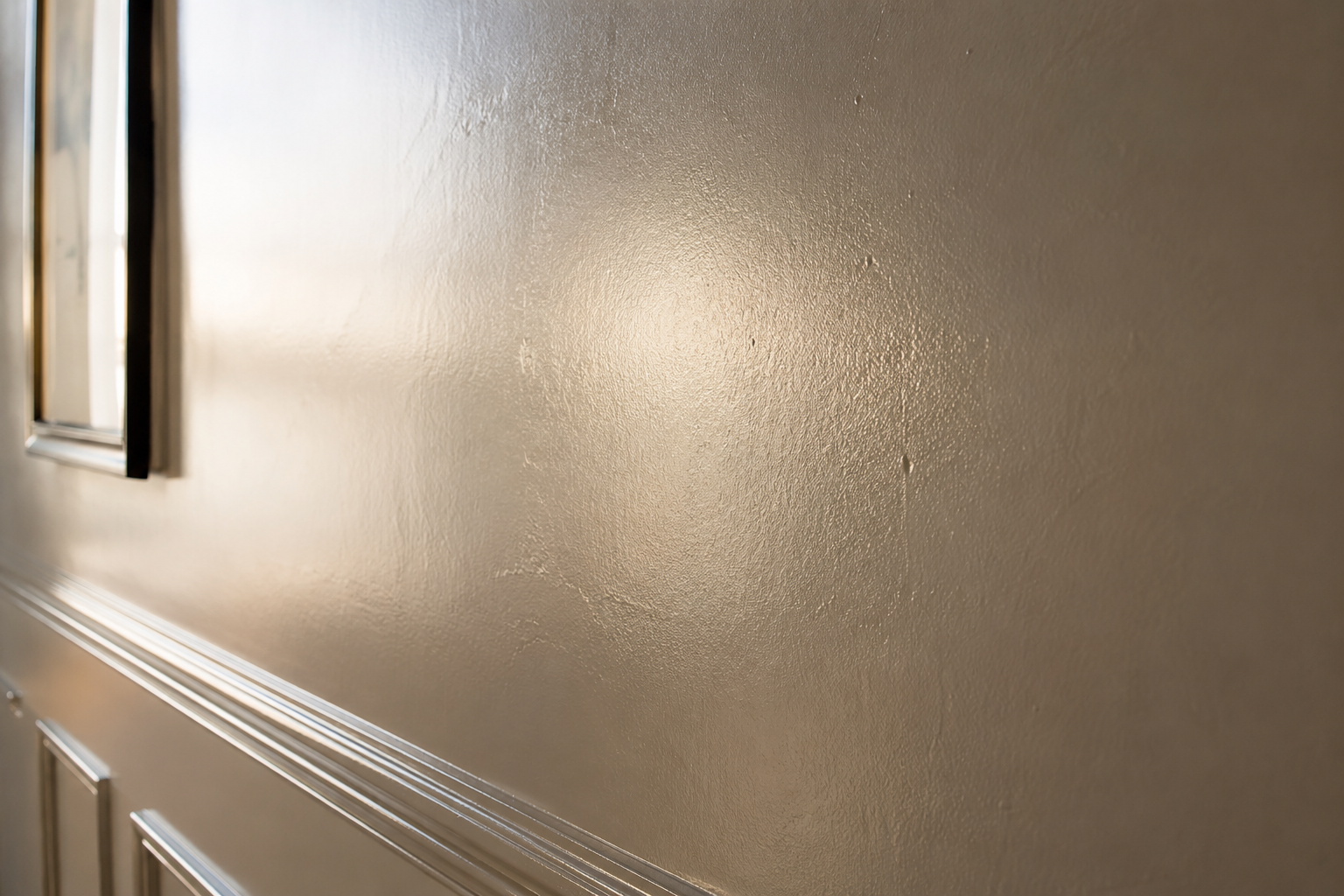
Glossy and semi-gloss finishes reflect light in a direct, mirror-like way, which is exactly why they look so crisp and clean under good lighting, and exactly why they’re unforgiving of anything underneath the paint that isn’t perfectly smooth. A drywall seam, a patched nail hole, a slightly uneven texture, all of it catches and reflects light differently than the surrounding wall, and a glossy finish makes that difference obvious in a way flat light never would. This is the tradeoff nobody mentions when they recommend glossy paint for its durability: the same reflectivity that makes it easy to wipe clean also makes it merciless toward a wall that hasn’t been perfectly prepped.
Why Matte Paint Hides More Than It Should Get Credit For

Matte paint works by the opposite mechanism: it scatters light in many directions rather than reflecting it back in one direction, which softens the appearance of whatever texture or imperfection sits underneath. This is why matte paint is the default recommendation for older walls, patched drywall, or any surface that hasn’t had a full skim coat. It isn’t a magic fix, a deep gouge or a badly feathered patch will still show through any sheen, but matte gives a merely imperfect wall real cover that a glossier finish never would.
Where Durability Actually Matters More Than Hiding Flaws
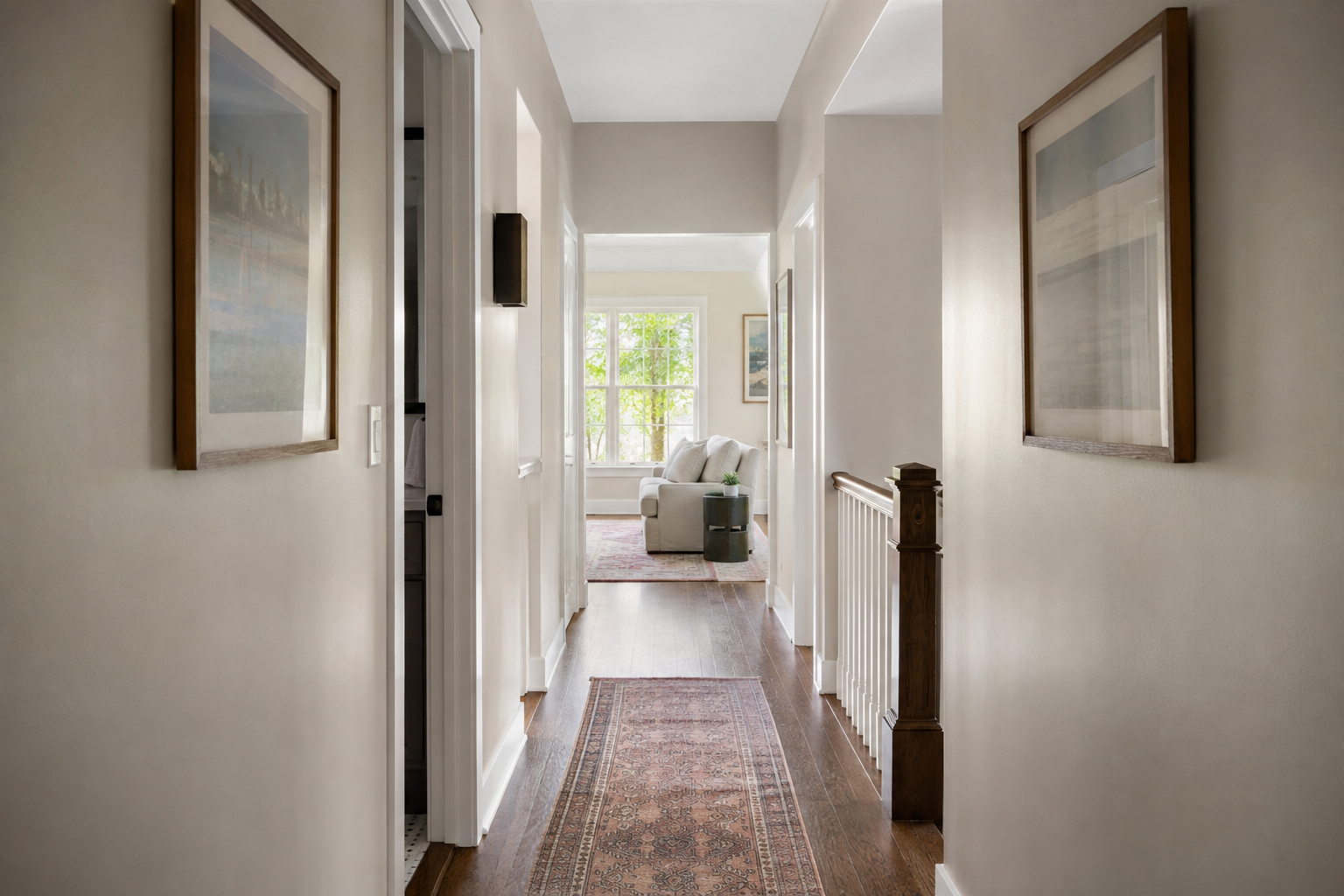
Flaw-hiding isn’t the only consideration, and in a few specific spots, durability rightly wins the argument anyway. Kitchens, bathrooms, hallways, and any wall near a doorknob or a kid’s bike handlebars take real physical contact that matte paint doesn’t hold up against nearly as well. Satin and eggshell sheens split the difference reasonably well here: durable enough to wipe down and survive daily contact, without being as unforgiving as full gloss. The honest tradeoff in a high-traffic hallway with a less-than-perfect wall is accepting slightly more visible texture in exchange for a finish that survives daily use.
The Sheens Between Matte and Glossy, and What They’re For
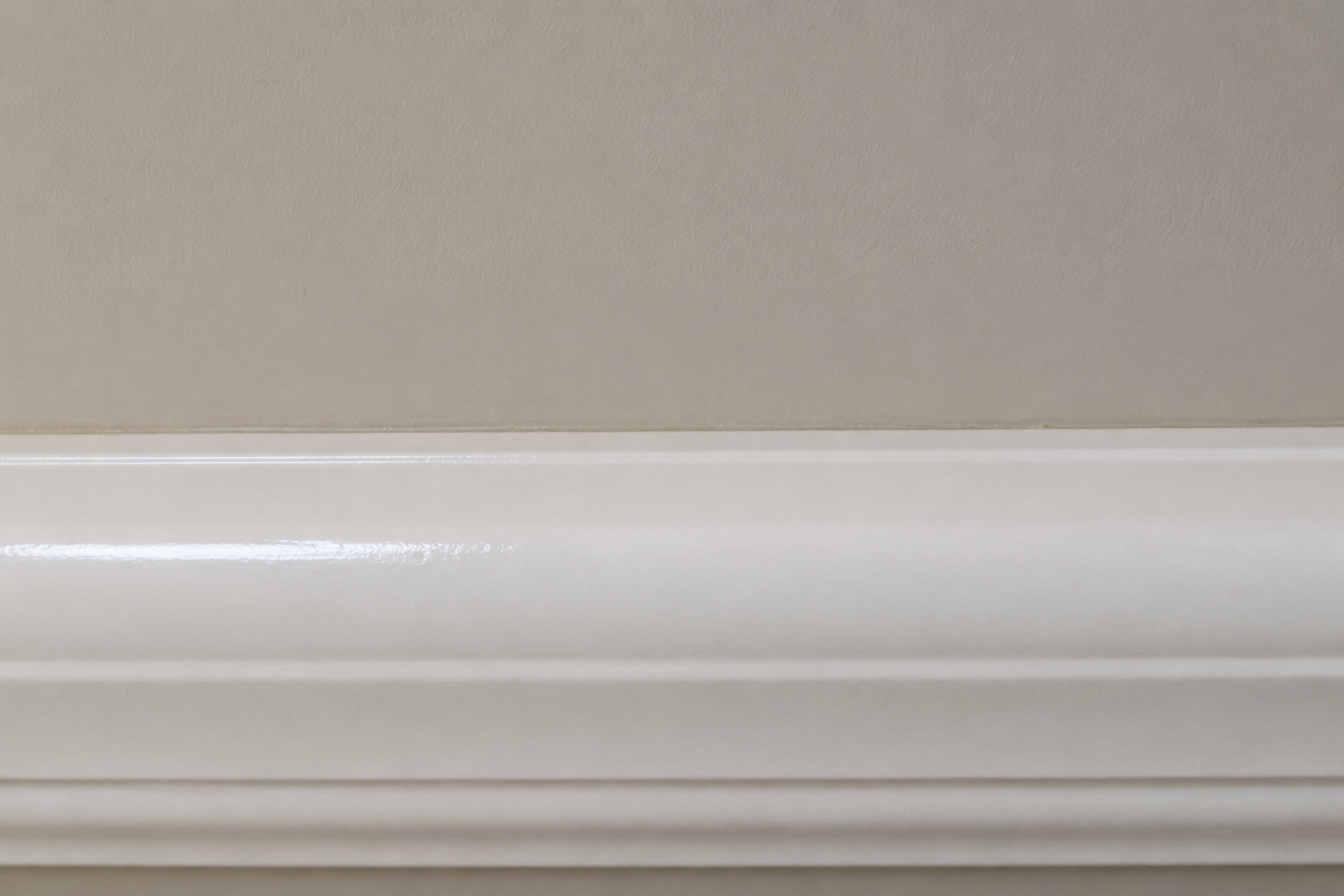
Eggshell and satin aren’t a compromise so much as a different point on the same reflection-versus-scatter mechanism the whole sheen decision runs on. Eggshell scatters slightly less light than full matte, giving a small durability gain without losing much of matte’s flaw-hiding behavior, which is why it’s a common default for living rooms and bedrooms with normal, moderate wear. Satin reflects more directly than eggshell, closer to the durability of semi-gloss without quite its full unforgiving reflectivity, which is why it shows up so often on trim, doors, and cabinetry rather than open wall space. None of these are the “correct” middle choice. Each one is a specific point on the same tradeoff, worth choosing deliberately rather than defaulting to because it sounds like a safe compromise.
Test a Real Sample Before Committing a Whole Wall
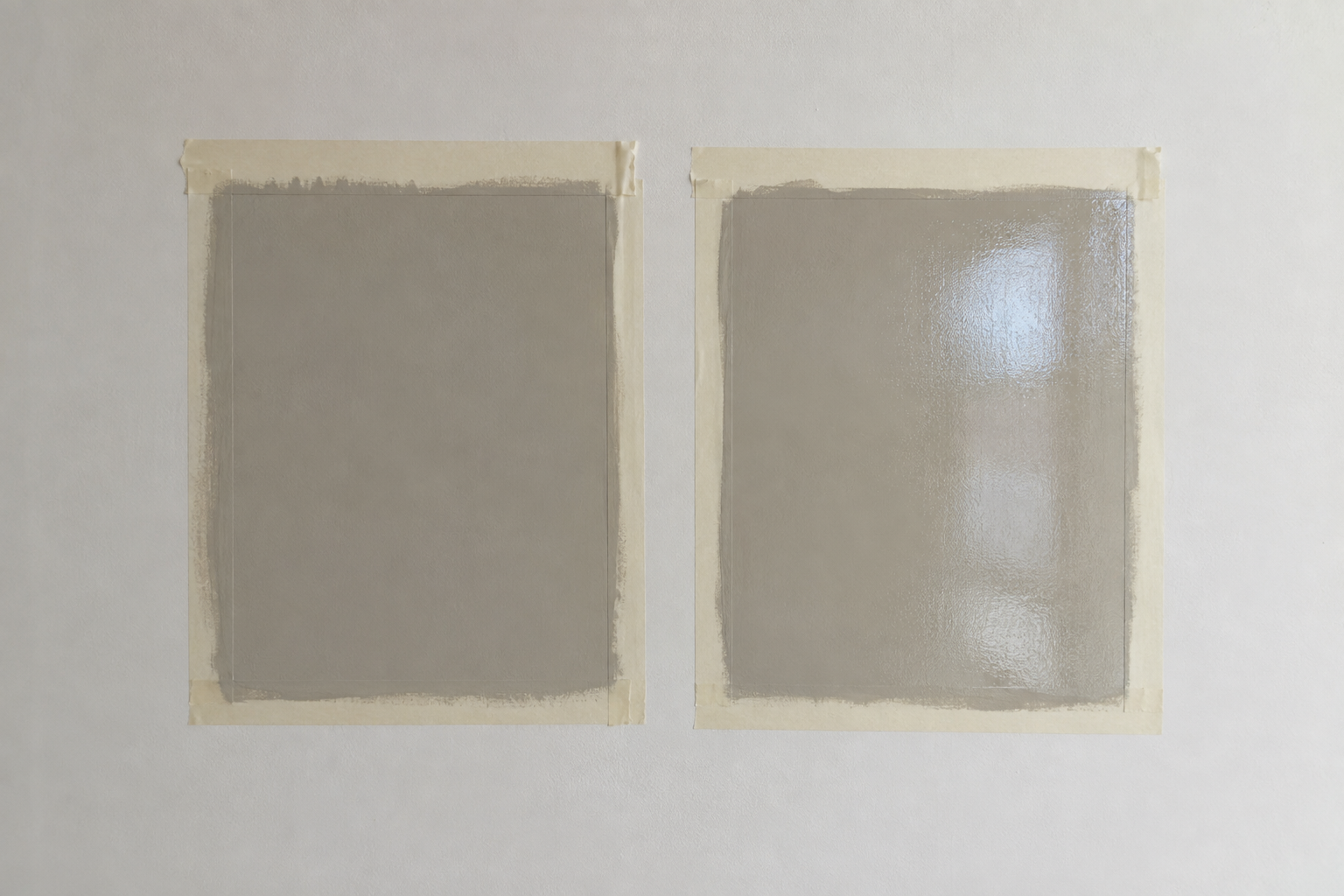
Sheen differences are easy to underestimate on a small paint chip, since chips are viewed flat and close, conditions that flatten the visible difference between sheens. Paint two sample squares in the same color, one in the sheen being considered and one a level up or down, directly on the wall being painted, and look at both under the room’s own daylight and evening light. The wall’s existing texture will tell the real story in a way no chip or online description can.
Sheen isn’t a finishing touch decided after the color. It’s the mechanism that decides whether a wall’s real condition gets hidden or exposed, and getting it right means being honest about what that specific wall needs to survive or conceal.
Frequently Asked Questions
Can walls and trim use different sheens in the same room?
Yes, and it’s the standard convention rather than an exception. Walls typically go flatter (matte or eggshell) while trim, doors, and cabinetry go glossier (satin or semi-gloss), since trim gets more direct contact and benefits from the durability, while a large wall area benefits more from a flaw-hiding flatter finish.
Does sheen change how a paint color actually looks?
Yes, noticeably. The same color in matte reads slightly deeper and more muted, while the same color in gloss reads brighter and more saturated, since a glossy surface reflects more light back at the eye. This is part of why a color that looked right on a matte chip can look subtly different once applied in a glossier sheen, and it’s worth testing sheen and color together rather than assuming the color alone will translate.