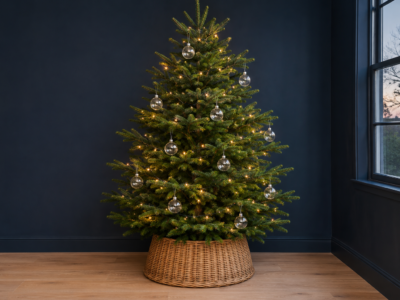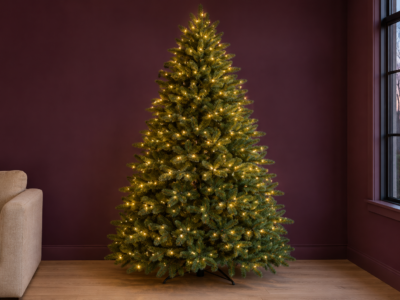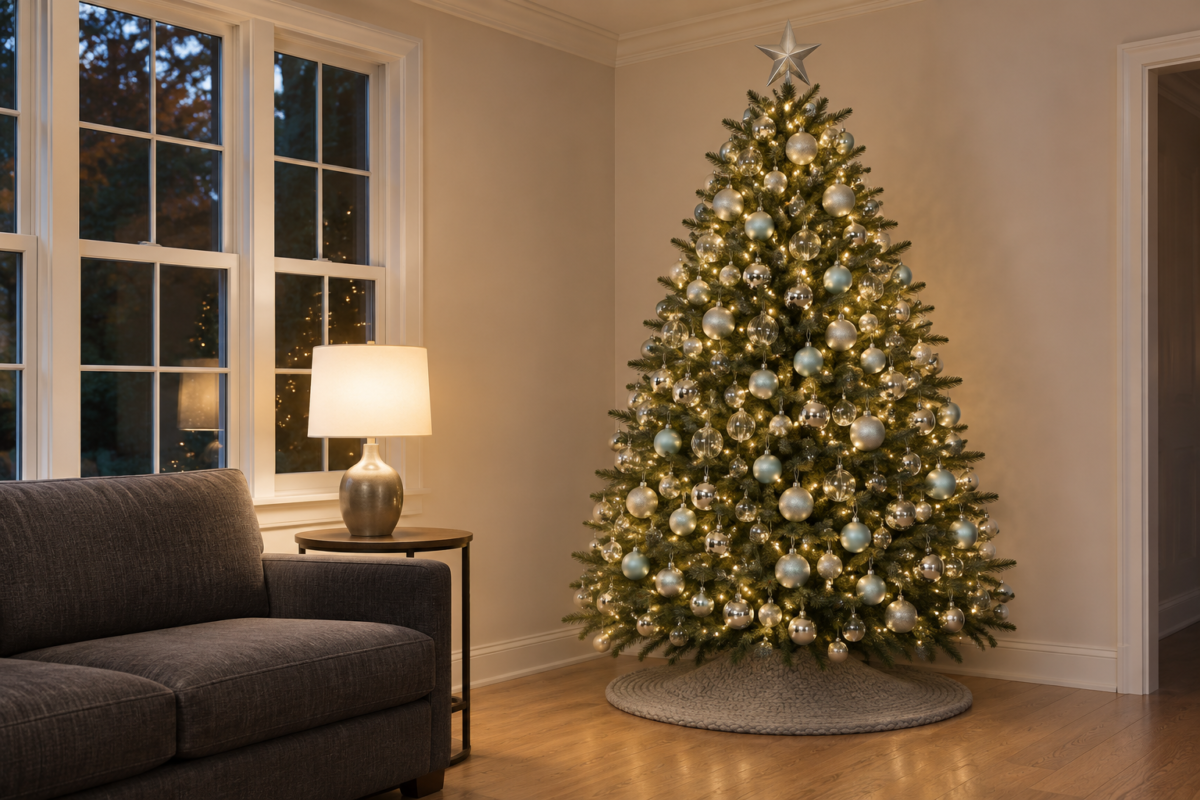
Ornaments are sold by the box, and it is hard to tell from a box of twelve how far it will go on a 7 foot tree. A count by height gives a figure to work from before anything is bought or unpacked.
A common starting point is 10 to 15 ornaments for each foot of the tree’s height. It is a starting figure, and the tree’s fullness, the size of the ornaments, and whatever else is on the branches all move it up or down.
Ten to Fifteen per Foot as a Starting Count
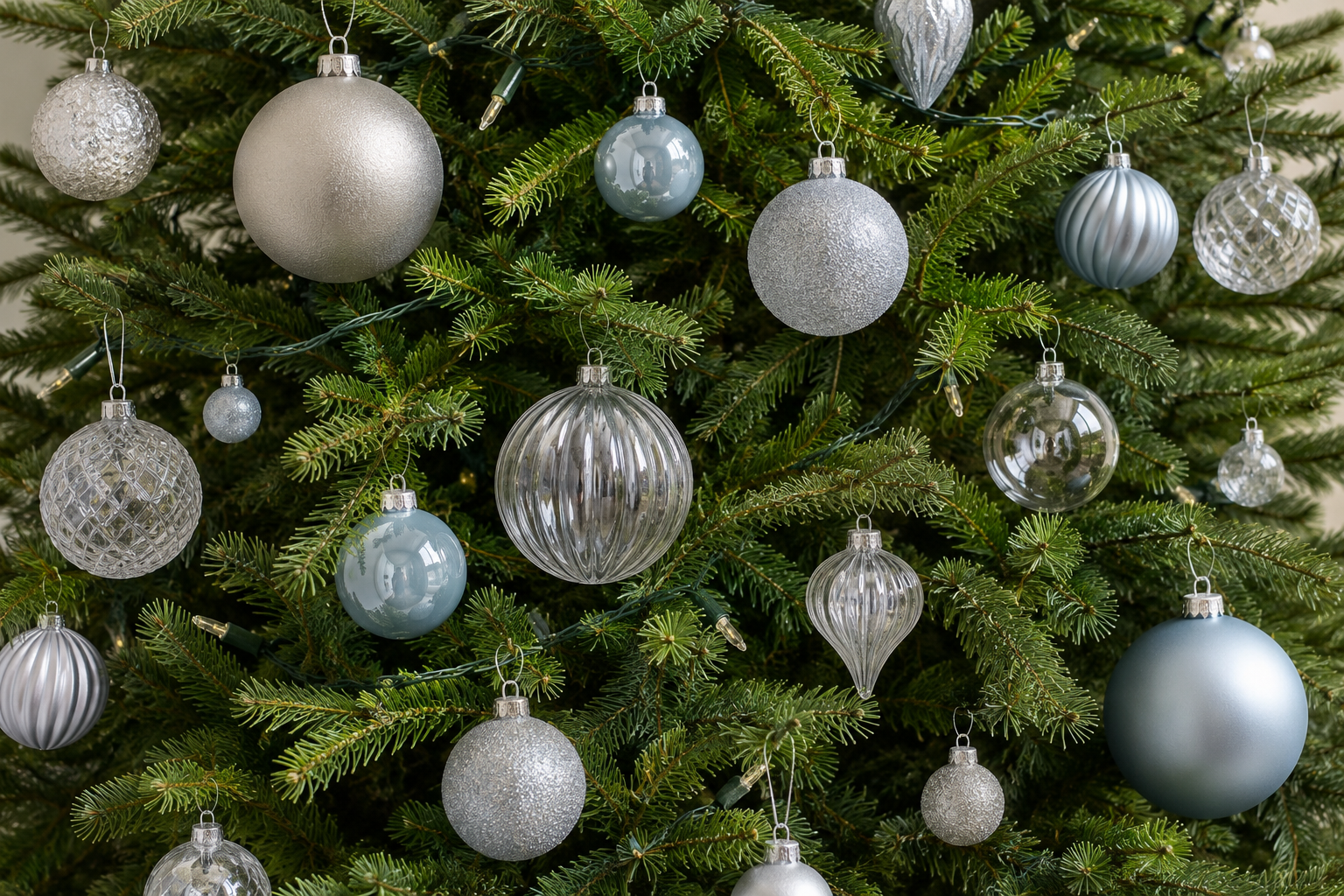
Multiply the tree’s height in feet by 10 for a light, airy look and by 15 for a well-filled one. A 7 foot tree takes about 70 to 105 ornaments, and a 7.5 foot tree, a common height for artificial trees, about 75 to 110.
| Tree height | Ornaments (about) |
|---|---|
| 4 ft | 40 to 60 |
| 5 ft | 50 to 75 |
| 6 ft | 60 to 90 |
| 6.5 ft | 65 to 100 |
| 7 ft | 70 to 105 |
| 7.5 ft | 75 to 110 |
| 8 ft | 80 to 120 |
| 9 ft | 90 to 135 |
| 12 ft | 120 to 180 |
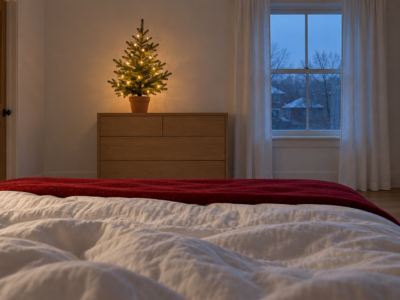
A small tree on a table follows the same arithmetic, so a 3 foot tree takes about 30 to 45.
A Full Tree Takes More Than a Slim One
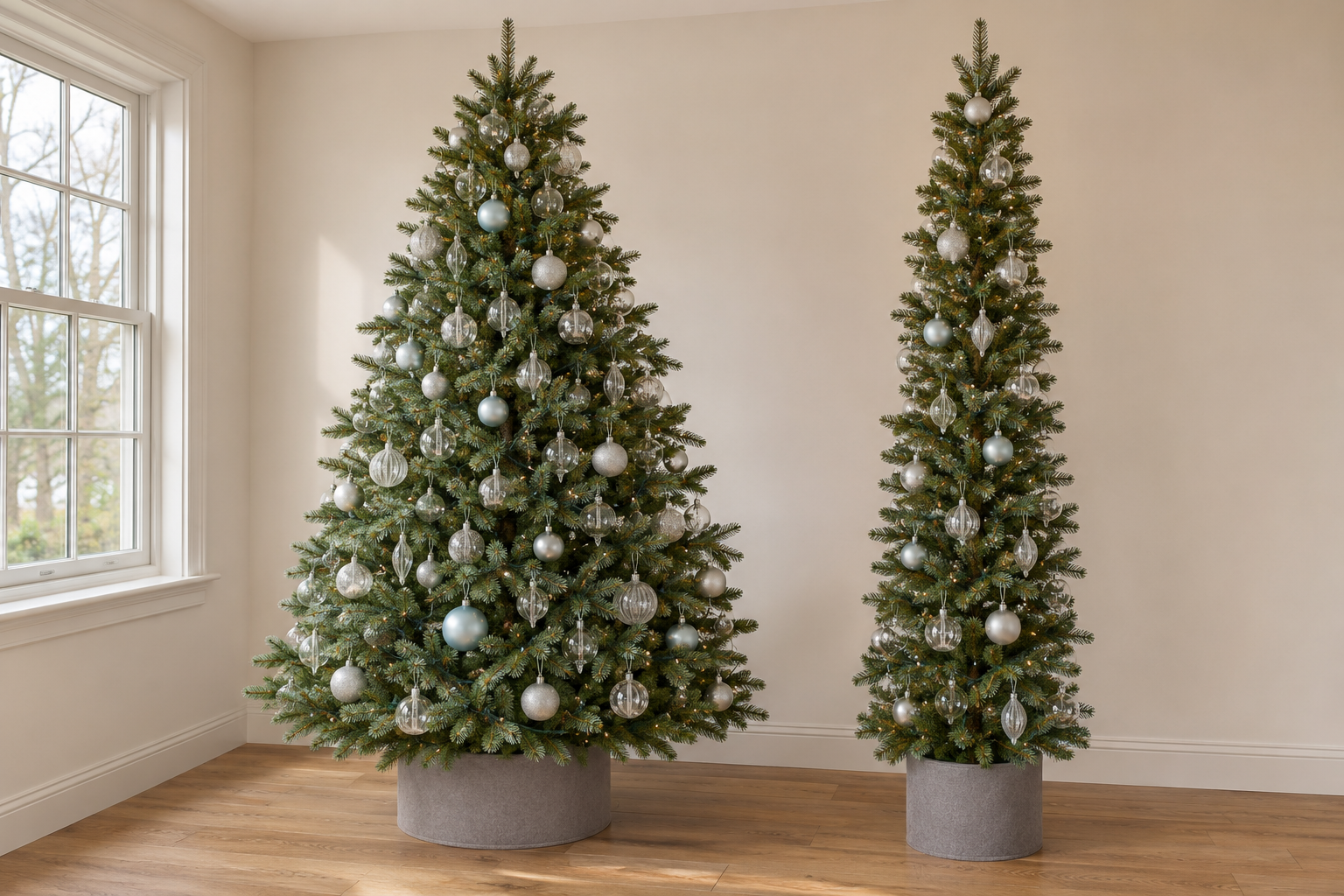
The per-foot count assumes a tree of ordinary width. A full tree with a wide base and dense branches has more surface to cover and needs the top of the range or a little beyond it. A slim pencil tree has much less, and the low end of the range can already look crowded on it. Start a slim tree at about two thirds of the usual count, around 50 to 70 for 7 feet, and add from there.
An artificial tree straight from its box looks thinner than it will once each branch tip is spread, so fluff it before judging how many ornaments it needs.
Large Ornaments Count for More
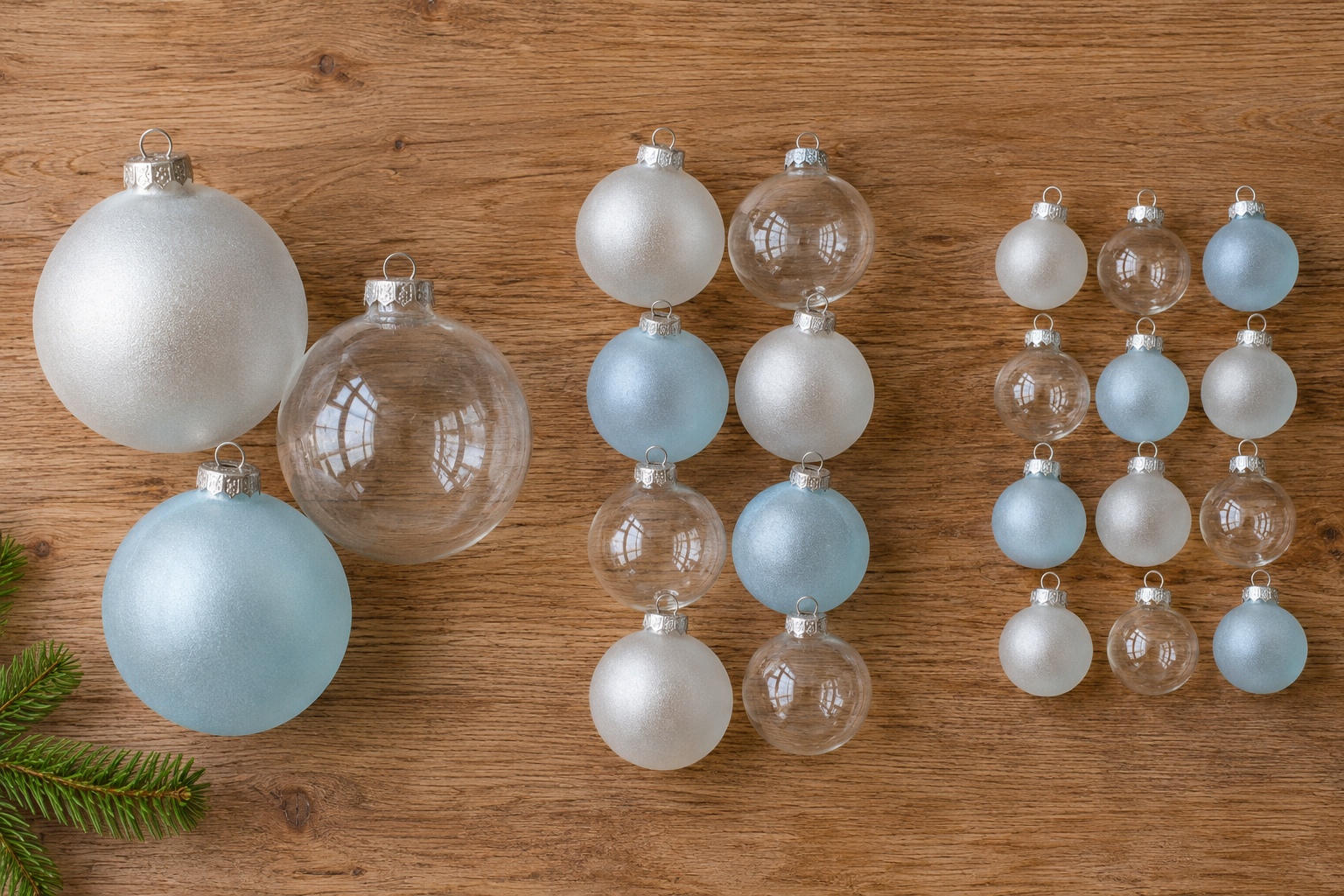
The range assumes mostly medium ornaments, around 3 inches across. A large one, 4 to 6 inches, covers more branch, so a tree hung mainly with large ornaments needs fewer of them, and a tree of small 2 inch ones needs more.
Most trees look best with a mix. A few large ornaments spaced around the outside, medium ones filling between them, and small ones hung deeper in the branches, where they catch the light from inside the tree. For example, 10 large, 60 medium, and 20 small come to 90 for a 7 foot tree, inside the range, with the large ones covering as much branch as many more medium ones would.
Garland, Ribbon, and Lights Take Some of the Space
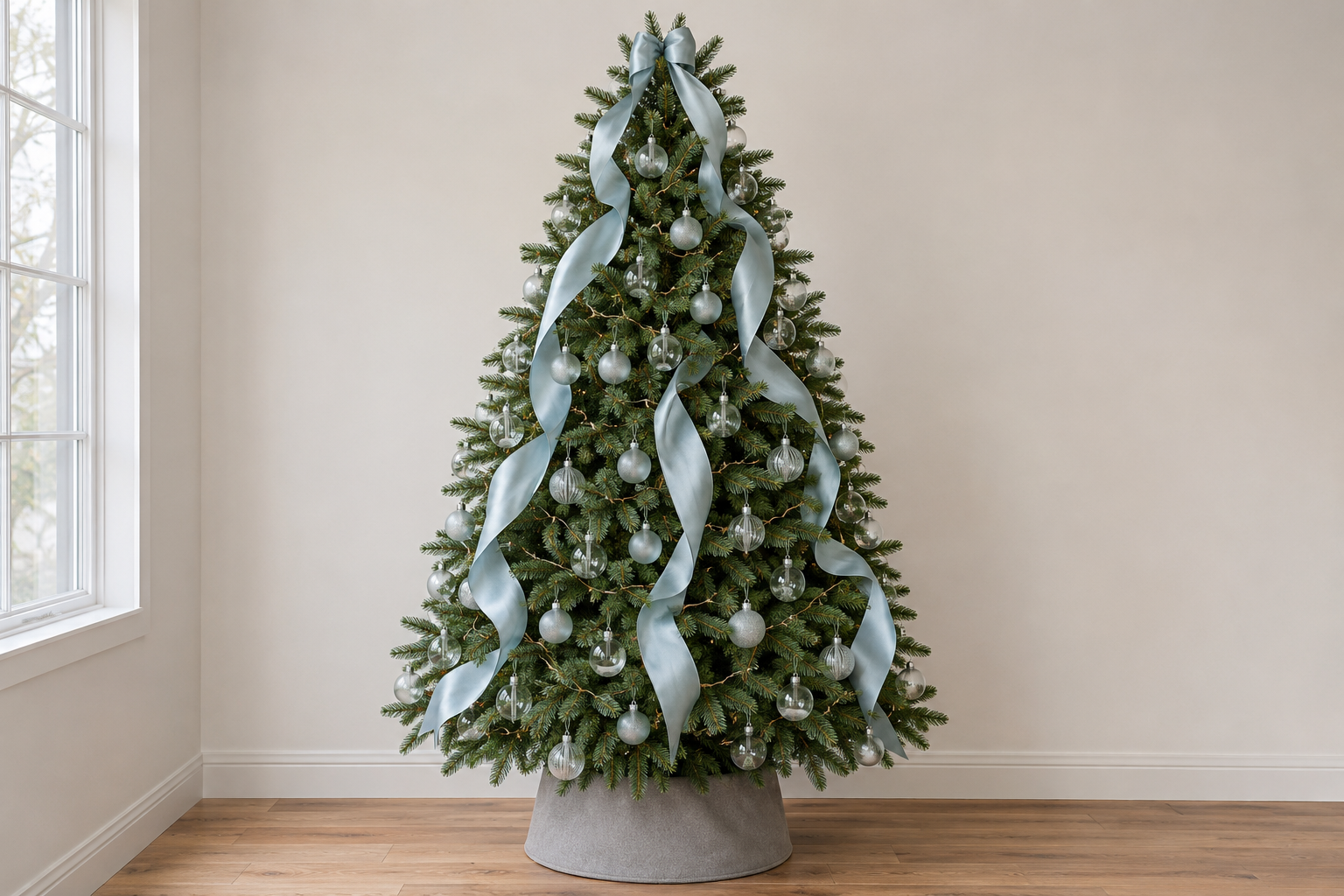
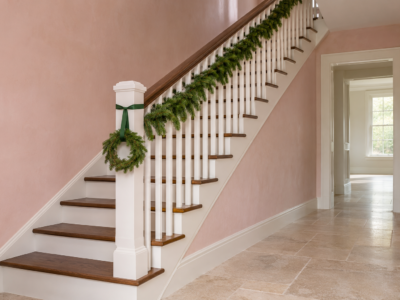
Anything else on the branches covers part of the surface the ornaments would. A tree with ribbon running down it or a bead garland wound around it needs fewer ornaments, often toward the low end of the range or below it. A tree with only lights and ornaments needs more.
Lights go on first, and their glow fills the gaps between ornaments, so a tree with plenty of lights tends to look fuller with the same count.
Counting the Ornaments You Already Have
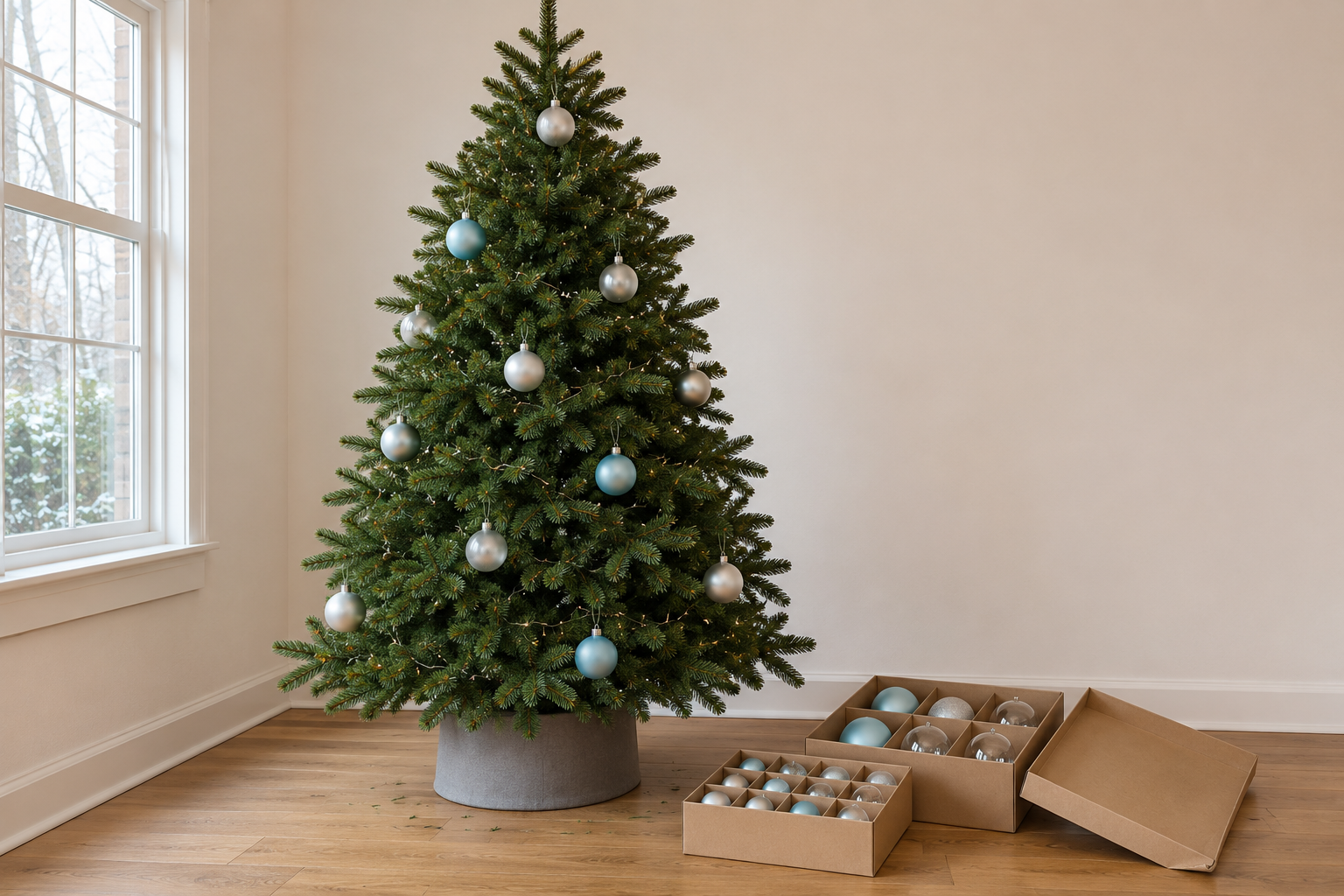
Before buying more, sort what you have by size on a table and count each group. A new box gives its count on the label, but a mixed box of old ornaments has to be counted by hand, and broken ones set aside.
Hang the large ornaments first, spread evenly around the tree from top to bottom, then the medium ones in the gaps, then the small ones. Stop when about two thirds are on and look at the tree from across the room. A tree often looks finished before every ornament is on it, and the rest can stay in the box.