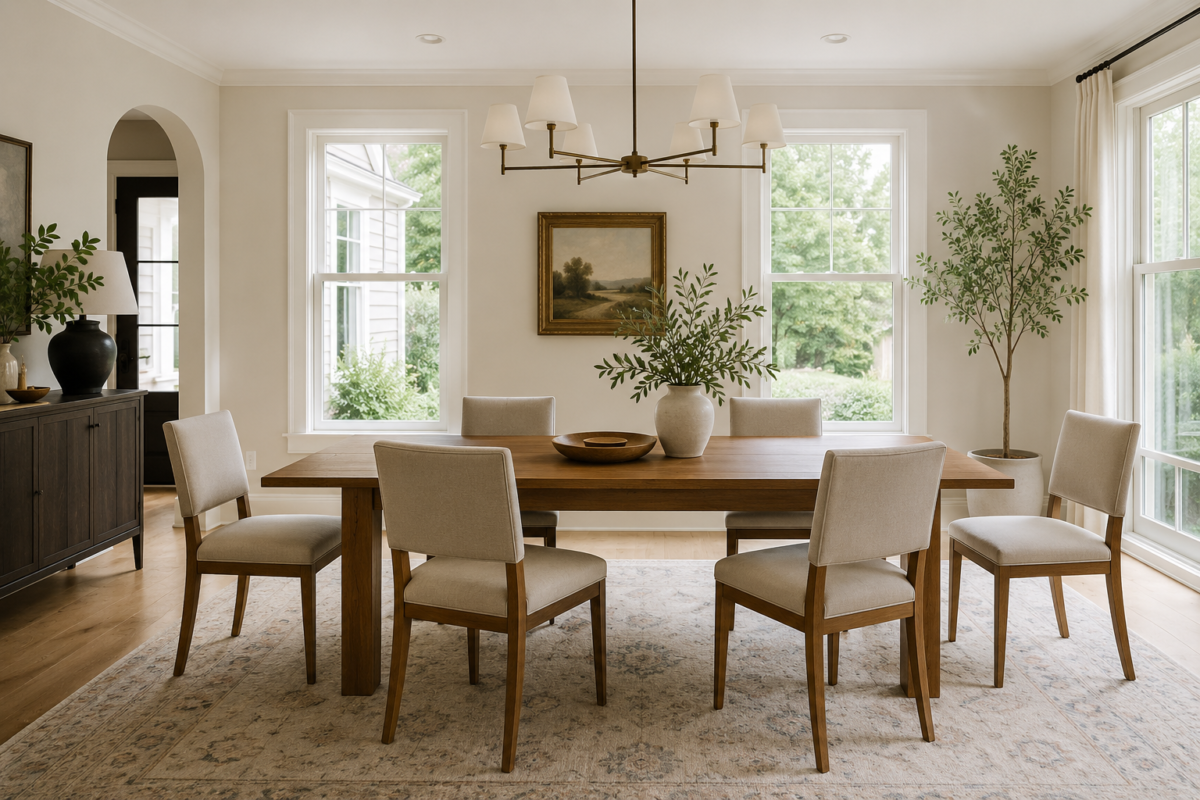
A dining table’s seating capacity looks like simple math until the chairs are in place and nobody has room to pull one out without bumping the person next to them. The number printed on a table’s listing (seats six, seats eight) assumes a specific amount of space per person that a lot of real dining rooms don’t quite have, or that a lot of real chairs, wider or more heavily armed than the standard assumption, don’t quite fit into.
The real answer depends on table shape and chair width, not a single fixed number.
Rectangular Tables: Count by the Foot, Not the Inch
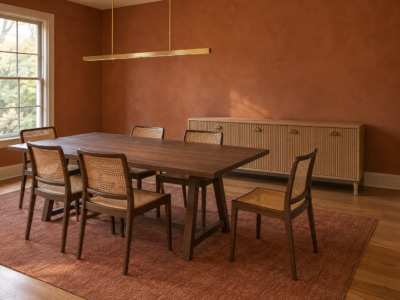
The standard spacing rule allows about 24 inches per person for everyday dining, and closer to 30 to 33 inches for a more formal setup with larger chairs. That works out to roughly six chairs comfortably fitting a 5-foot rectangular table, and eight fitting a 6-foot table, using the everyday spacing standard. A longer table, 8 feet or more, can seat 10 to 12 using the same math, though it’s worth measuring chair width rather than assuming the standard 20-inch chair applies to every style.
Round Tables Need More Diameter Than People Expect
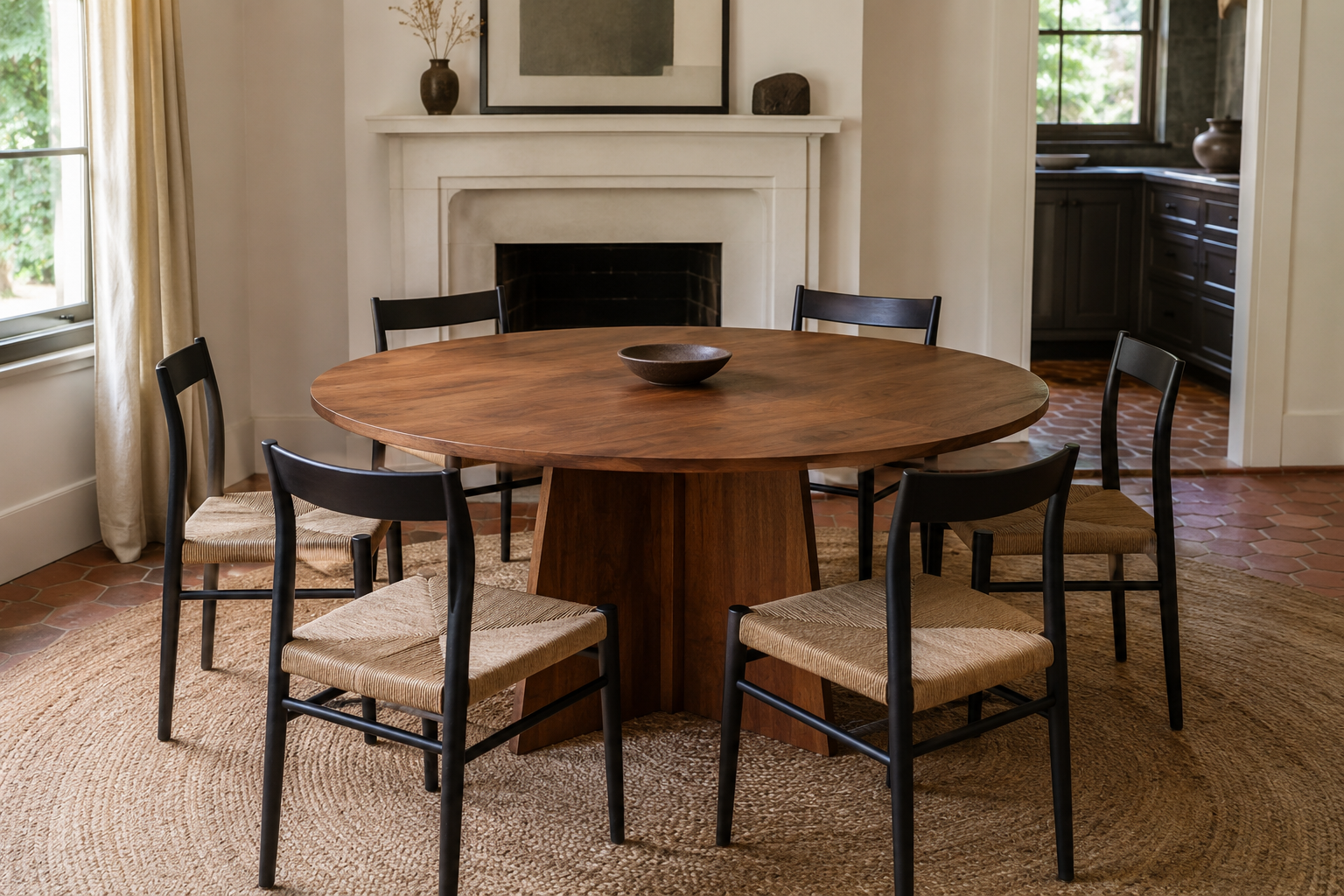
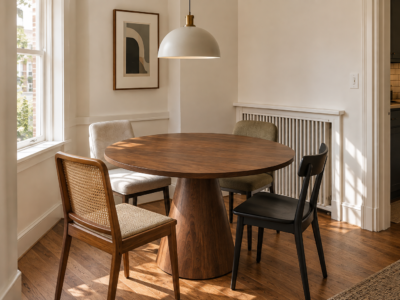
A round table needs more diameter per seat than a rectangular one might suggest, since chairs around a curve need extra angled space to avoid arms overlapping. A 54-inch round table comfortably seats five to six people; a table needs to exceed 60 inches, ideally closer to 72, to comfortably seat eight. For 10 people, 72 inches is close to the practical minimum. Round tables look like they should seat more than they do in practice, which is the most common miscalculation with this shape.
Leave Room for the Chair to Pull All the Way Out
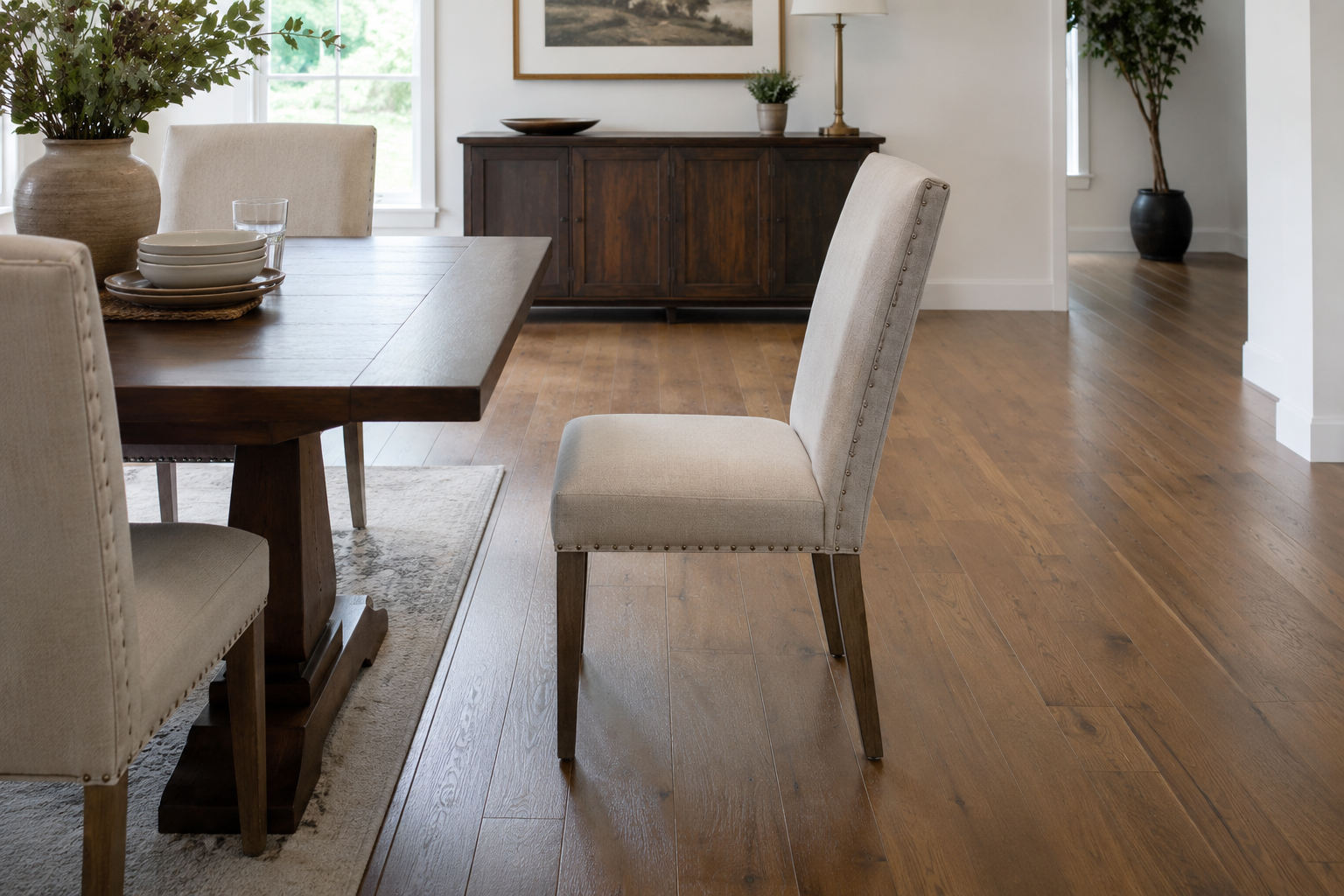
A chair that can’t fully slide back from the table isn’t really seating a person, it’s blocking a doorway with a chair-shaped obstacle. Standard guidance calls for at least 36 inches of clearance behind every chair, measured from the table edge, to allow someone to push back and stand up without hitting a wall or another piece of furniture. This clearance matters more in a room that also functions as a walkway, where 36 inches can quickly become the tightest constraint in the whole layout.
Mixing Chair Styles Changes the Math Too
A table with armchairs at the head ends and side chairs along the length needs slightly more spacing at those two ends, since arm width adds a few extra inches beyond a standard side chair’s footprint. A bench along one side can seat more people per linear foot than individual chairs would, since it doesn’t need the same gap-per-person spacing, though it sacrifices some of the flexibility of separate seats. Neither choice is wrong, but the seating math changes depending on which combination a table uses.
The chair count printed on a table listing is a starting estimate, not a guarantee, since chair width, table shape, and the clearance behind each seat all change the real number. Measuring the specific chairs and the specific room before committing to a count avoids the awkward discovery that “seats eight” really means “seats six comfortably.”
Frequently Asked Questions
How many chairs fit around a square table?
A 36-inch square table comfortably seats four, one per side. A larger 46-inch square table can fit six by adding a chair to two of the four sides, and an 62-inch square table can seat eight, two per side. Square tables scale in fairly predictable increments compared to round tables, since each side functions like a short, independent rectangular edge.
Can a table seat more people than its standard count for a special occasion?
Yes, temporarily, by tightening the spacing below the everyday 24-inch standard, sometimes down to 20 inches per person for a shorter meal where lingering elbow room matters less. This works fine for a holiday dinner but isn’t a comfortable everyday arrangement, since the tighter spacing that’s tolerable for one meal becomes genuinely cramped as a daily setup.